Fireworks and pets
The loud noises and dramatic flare of fireworks can be very frightening for pets, but there are things you can do to minimise their distress.
Create hiding places and make sure your pet doesn't get lost
- If animals are scared their automatic response is to flee, or hide in the hope that whatever frightened them goes away.
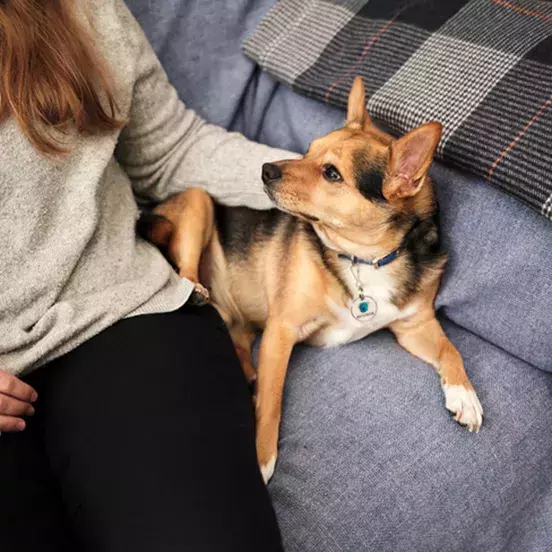
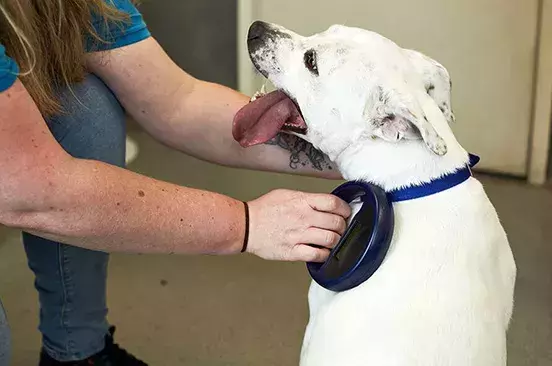
- So it's important to make sure your pets can be identified if they do run off, either with ID tags (cats should wear easy-release collars in case they get caught) or by microchipping, so they can be scanned and reunited with you if found.
- Make sure your house is escape-proof by keeping doors and windows shut. Cats and even some dogs can squeeze into surprisingly tight spots, so block off any dangerous or unsuitable areas your pets may get into. When keeping cats indoors be sure to provide litter trays for them.
- To avoid pets running off, provide them with somewhere to hide where they feel safe. If your pet normally hides or sleeps in a specific place, make sure they have access to this area throughout the firework season and encourage them to use it with rewards of treats or toys.
- For dogs, a cupboard under the stairs or a table draped with a blanket or cloth makes an ideal place to hide. If your dog is accustomed to using a crate, cover it and leave it open with blankets inside. Encourage your pet to use the hiding place during the day by feeding them in it and placing treats there. For cats, a box lined with blankets and with the opening slightly covered is ideal. They will feel safer the higher up they can go, so placing the box on a top shelf or cupboard will help.
- It is very important not to shut your pet in a confined area, as it could injure itself trying to escape if it gets scared. Allow access to all safe areas of the house.
Preparing your house and changing routine
- It isn’t only the sound of fireworks that worries pets; the flashes can upset them, too. It is important, therefore, to cover windows and draw the curtains to block out any sudden bursts of light. Keeping lights on in some rooms and leaving other rooms in darkness will enable your pet to choose where it feels safest. Let the animal wander around and decide for itself without following it around.
- To reduce the impact of the sudden sounds fireworks keep a radio or television on. Music with strong beats and bases is ideal when played at a level your pet is happy with.
- Avoid taking your pet out at times when fireworks are likely to be let off. Walk dogs while it's still light, and if they need to be taken out again try to wait until after 11pm when fireworks should have finished. Bear in mind they may run later on Bonfire Night, New Year’s Eve, Chinese New Year and Diwali.
- If your pet is not too worried by the fireworks play with them to focus their minds on something else. If they are too stressed, though, don't force them to interact. Providing chews for dogs can help alleviate tension.
Your behaviour
- The way we behave can have a strong impact on our pets. If we see they are agitated our natural response is to try to comfort them. Unfortunately, this can give the impression we are worried, making them even more concerned. It's best to ignore what they're doing and try to act as if nothing is different. If they see that fireworks have no affect on us this may help decrease their anxiety.
- If a pet is destructive or urinates and defecates in the house it is likely to be due to the stress caused by the fireworks. Getting annoyed or angry will aggravate the situation and make our pet more stressed and more likely to repeat the behaviour. The best thing to do is to completely ignore the problem and act as though nothing has happened.
- If you are a cat owner and your cat is distressed avoid trying to interact with it or picking it up as increased stress levels can provoke sudden aggression. Cats also take a long time to calm down, so leave them until morning to settle before interacting with them again.
Medication and alternative therapies
- There are products on the market that can help pets cope with stressful events. Speak to your vet regarding the most suitable solutions for your pet.
It is important to recognise that all dogs and cats are individual and respond in different ways and at different speeds. Some people report instant improvements, for others it may take longer. So it's important to be patient and consistent in the way you respond and ensure the whole family interacts with your pets in the same way.