Responsible cat ownership

Being a responsible pet owner is not only about feeding your cat every day and taking it to the vet if it is sick or injured, it is also about making sure it wears a collar and ID tag, is microchipped (and your contact details are kept up to date) and properly vaccinated annually. Here we delve into the various aspects of responsible cat ownership.

Put yourself in your pet's shoes...

A good rule of thumb is to imagine how you would feel if you were your pet. For instance, how would you like breakfast added to last night's stale supper or your bed being in the noisiest room in the house?

Most of the behavioural and veterinary problems we encounter at Battersea are due to owners not looking after their pets properly. In this section we give you some guidelines. But the basic needs are simple: to feel secure pets need to have a daily routine and be loved.

Back to top

Daily routine

If your cat needs a litter tray, put it somewhere secluded, away from her food. Cats will not use dirty litter trays and may resort to using your pot plants instead so replace litter regularly and disinfect trays every so often. Please see our 'Housetraining your cat' factsheet for further advice.

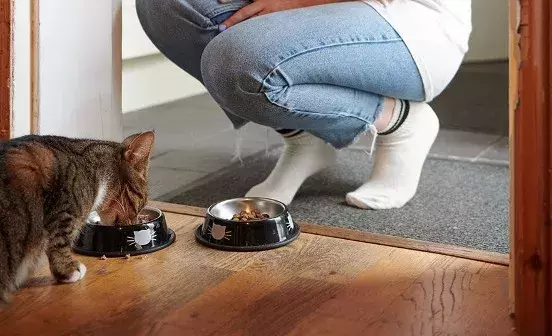
Both tinned and dried pet food provides a balanced, nutritious diet but remember to provide extra water with dried food. Water must always be clean and fresh. Human food is not recommended.

Your pet's bed should be in a quiet, draught-free place out of direct sunlight. Vacuuming or laundering the bedding will keep smells, and fleas, at bay.

Back to top

Good behaviour

Most cats need access to a garden but indoor cats, who do not have the mental stimulation provided by the outside world, can become bored and stressed. This can lead to serious behavioural problems and destructiveness. Cat activity toys can help your cat amuse herself when you are absent. Both indoor and outdoor cats enjoy playtime so interact with your cat through play, and provide a scratching post so she can exercise her claws without shredding your sofa. Cats need socialising too; try to get them used to daily sights, noises and situations from an early age.

Back to top

Health & pet insurance

Don't wait until your pet becomes ill before registering with a vet. Your pet will need annual vaccinations which is also a good opportunity for a complete health check. Your vet will advise on the most effective worming and anti-flea treatments, as your pet's health will suffer if parasites are not controlled. Regular grooming keeps coats clean and healthy, and is essential if you have a long-haired pet.

Neutering not only prevents unwanted litters but can also prevent tumours and other health problems. If you have a male cat, it can also help to curb straying and aggression. Cats are prolific breeders. In five years, a female cat can be responsible for 20,000 offspring. Battersea Dogs & Cats Home neuters all adult cats before they go to new homes.

Pet insurance is an important consideration. A relatively small regular payment will guard against unexpected veterinary fees and allow you to provide the best healthcare for your pet. There are a number of pet insurance policies to choose from. All animals from Battersea will have six weeks' free insurance from Pet Plan. Ensure your policy includes third party liability to cover you should your pet cause an accident.

Back to top

Identification & loss prevention

Most owners assume that their pet will never go missing but as the number of strays we receive every day proves, they are mistaken. The Home receives on average eight cats every day. Identification is important for cats. Make sure your cat's disc lists your name, the first line of your address and contact number/s. Sadly only 4% of the stray cats we receive are claimed by their owners. Battersea's Lost Cat Kit is a simple four-stage process, which includes a downloadable poster to help you find your lost cat.

Cats should wear elasticated collars, which pull apart if the cat gets stuck and will allow them to escape should they become entangled whilst climbing.

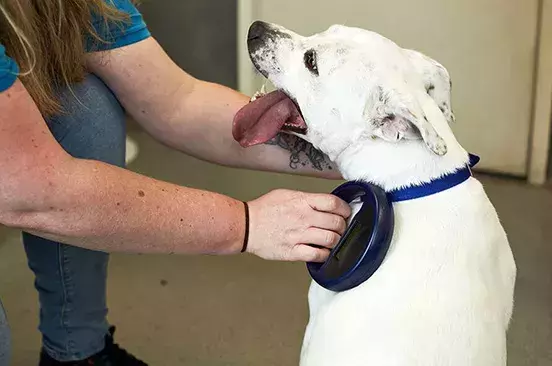
Microchipping is a widely recognised method of permanent identification. Your vet can provide this service or you can bring your cat to Battersea to have a microchip fitted. We microchip all Battersea cats before they go to new homes. Remember to update your details if you move house or change telephone numbers with your microchip provider.

Cats should not be shut out at night. Most road traffic accidents involving cats occur after dark and she may not want to go outside after she has spent the evening indoors, especially during cold weather. Cats are also often criticised for hunting and killing birds, which are at their most vulnerable at dawn and dusk when they are feeding. You may choose to get your cat used to staying in at night and provide her with a litter tray. To become familiar and confident in her new surroundings, a newly acquired cat should be kept inside for at least four weeks. Do not feed her before letting her out for the first time but feed her immediately when she returns. You can train her to respond to a signal when food is ready, for example by whistling or rattling her biscuits. Kittens should not be let out until they are at least six months old and have had all their vaccinations and the first few outings should always be supervised.

For more information on identification and loss prevention, take a look at our 'Identify your pet' and 'Safeguard your pet' pages.

Back to top

Going away

When planning a trip away, ensure you make proper arrangements for your pets. You should only consider friends or neighbours if  they can be trusted to care for your pet properly. If necessary, take time to introduce your cat to her carer before you go away. Explain her daily routine and leave contact numbers for yourself and your vet in case of emergencies. Put a new identity disc on your pet's collar with the contact details of her temporary carer and if your pet is microchipped let your microchip provider know.

If you are considering a cattery, visit beforehand to check it is suitable. Word of mouth is the best recommendation. You will need to book up well in advance, especially at peak holiday times, as the best catteries are always fully booked.

If you are travelling with your cat, contact your microchip provider and inform them where you will be staying. If your cat was to go missing, you will have peace of mind that if she is found the microchip company will be able to contact you.

When transporting a cat always ensure she is in a cat carrier or locked basket and not a cardboard box which she can easily break out of, with food, water and toilet facilities, especially if on a long journey. Keep her inside the cat carrier until you have arrived at your final destination or are in a safe and secure area. Never let her out whilst you are in a car as she could cause an accident. It is advisable to keep your cat inside if on holiday for a short period of time as cats are not used to travelling and could easily get frightened or run away.

Back to top

Pet Passports

You can get your pet a 'passport' under the Pet Travel Scheme (PETS), without having to go through quarantine. You will need to complete several important steps, such as vaccinations, microchipping and getting an official PETS certificate from your vet, so make sure you do everything well in advance.

For full details, please refer to the Defra website Pet Travel Scheme. Please also see our non-endorsement policy.


Registered charity No. 206394