Microchipping is the best way to reunite cats with their owners if they go missing. Discover how and why you should get your cat microchipped.
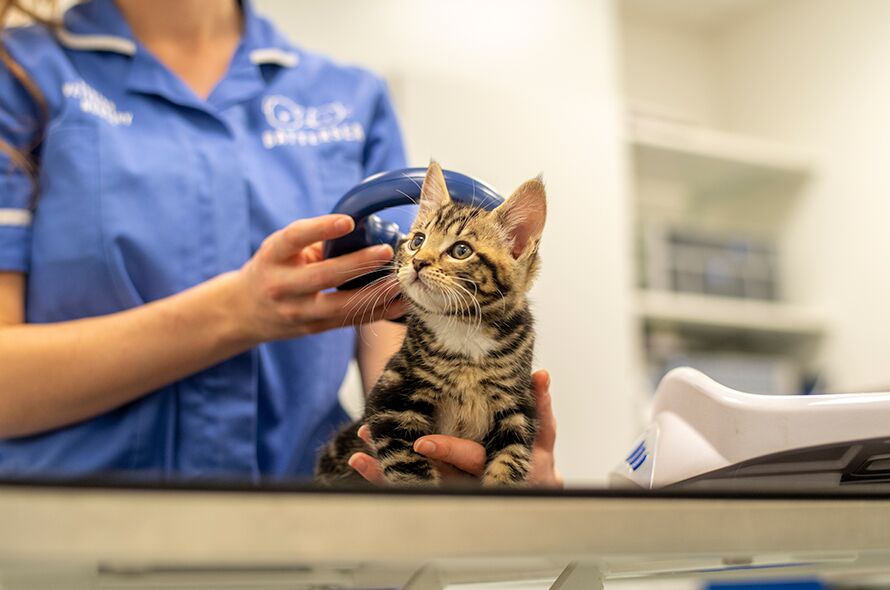
You are legally required in England to get your cat microchipped before they reach the age of 20 weeks. If local authorities or vets find your cat without a microchip, you may be fined up to £500.
How does microchipping work?
A microchip is a small device that is inserted under the skin of your cat. It’s around the size of a grain of rice.
The microchip contains a unique code that links to an online database with your contact details. Local authorities and vets can scan your cat’s microchip and contact you if your cat is found.
Across the UK, 74% of cats are microchipped. Rescue centres, animal wardens and vets can scan microchips to identify cats. Any of these trained professionals can help you find out if a cat is microchipped.
How much does microchipping your cat cost?
The price of microchipping a cat can vary around £10 to £30. A vet can insert the microchip quickly and easily.
Benefits of microchipping your cat
Microchipping can ease your mind whilst your cat is settling in. If your cat wanders too far, the details linked to your cat’s microchip can help reunite the two of you.
Getting a new cat and introducing them to the world can feel intimidating. Battersea successfully reunites hundreds of pets with their owners each year through microchipping.
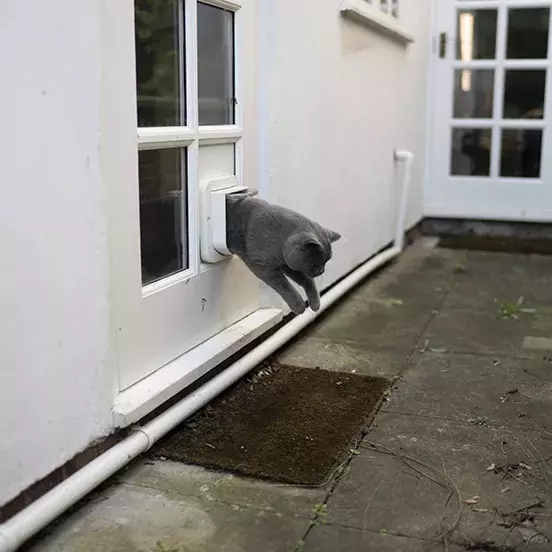
You can also register your cat’s microchip to a microchip cat flap. This stops other animals from entering your home. You can link more than one microchip to the same cat flap if you live in a multi-cat household.
We microchip every animal we rehome, so you and your Battersea cat can have the best start.
Booking your cat in to be microchipped
You should get your cat microchipped before they’re 20 weeks old. It’s quick and relatively painless and your cat will be able to go straight home afterwards.
You can get your kitten microchipped, vaccinated and neutered all at the same vet appointment. Organise this before the kitten goes outside.
Find out more about introducing your kitten to the outside
If you rehome an adult cat, they should already be microchipped.
If not, book them into a vet at the next available appointment. Your adult cat should be microchipped as soon as possible, as you’re much more likely to be reunited if they go missing.
Rescue centres should microchip cats before you take them home.
Step-by-step: updating your cat’s microchip details
You need to keep your details up to date for microchipping to work. This includes your name, home address, phone number, or email address. To update these details, you’ll need to know what database they’re stored on.
If you don’t know your cat’s microchip database, try:
- Finding the microchip company. The manufacturer will use a specific database.
- Looking up the first three digits of your cat’s unique microchip code. This links to a specific database.
- Checking any paperwork that came with your cat or when you got your cat microchipped. The papers may contain the microchip company, the database, or your cat’s unique code.
When you know which database it is, update your details.