There’s a lot to think about when you’re moving, including how to move your cat into your new home. Here’s our advice to make the move smooth and comfortable for you both.

Get your new home ready for your cat
1. Choose a settling room
Establish one room in the new house as your cat’s base. This room shouldn’t be too busy and can’t have a cat flap or an easy way for your cat to get out.
If you don’t have a space for a settling room like this, choose a quiet corner in a room which has lots of cosy hiding places and where you have space to arrange their essentials.
Welcoming your cat into a comfy, secure room gives them a safe space to settle in without overwhelming them. You can open up more of the home once they’re comfortable in this settling area.
2. Set up their litter tray
This should be in a comfortable spot away from the door and walkways. Cats prefer to toilet somewhere quiet, private and safe. Find out more about how to create the best litter tray set up for your cat.
3. Put the scratching post near the door
Cats scent mark when they’re scratching their scratching posts to mark territory. Positioning the post near the doorway means they can scent mark near the edge of this new territory. This helps them to feel more settled in the room.
4. Make the room cosy
Your cat needs somewhere comfy and warm to sleep. You can give them beds or line cardboard boxes with soft bedding or towels. Using your cat’s current blankets and beds, which have their scent on them, will help your cat feel more at home.
Hidden, snug spaces give your cat a feeling of safety while they’re getting used to their new surroundings. These can be in the corner of the room, in an open wardrobe, or using a cardboard box turned on its side.
5. Remove hazards
Lock away anything dangerous, toxic, or that could fall from high up. Learn what cats can’t eat and what makes a cat-friendly home
6. Set up different levels
Some cats prefer beds and resting spots in high places, for example on top of a wardrobe or using a cat tree. This is so they can see what’s going on and have a view of the whole room.
7. Make the home secure
Gradually introducing your cat to their new home will make the moving process easier and less stressful. To do this, you need to make sure they can’t get out of their base room until they’re settled in.
Keep all windows and doors in the home securely closed unless you’re sure that your cat is safe in their room.
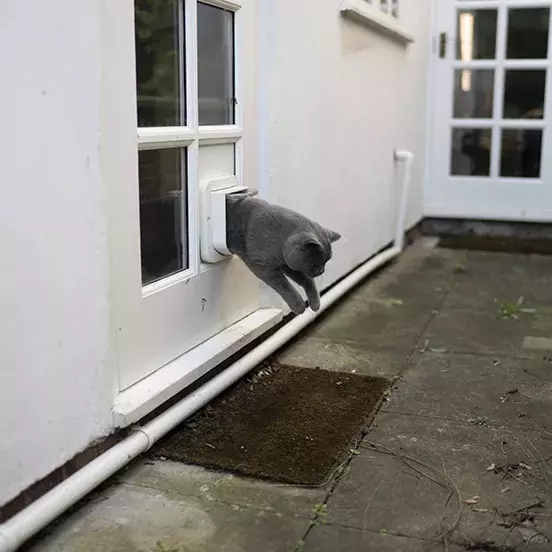
Block cat flaps and chimneys in case your cat slips out of their room when they first arrive. Keep cat flaps and outside access out of your cat’s sight as much as possible until they’re ready to be introduced to the outside.
Make everyone at home aware of the rules during the first few days and weeks. It’s important for all household members to know where your cat is.
8. Set up a pheromone diffuser
A calming pheromone diffuser might help relax your cat. These plug in to an electrical socket and release a synthetic calming cat pheromone.
Try to plug the diffuser in at least 24 hours before their arrival, or as soon as possible.
9. Give them food and water
Place the bowls away from the litter tray and other room essentials. Keep a bit of distance between the food and water as this encourages your cat to drink more.
Keep an eye on your cat's behaviour
You know your cat best, but moving home is a big change. Before the move, it’s helpful to remind yourself of the signs of a stressed cat and how to interact with your cat.
Keep this in mind throughout the move and while your cat is settling in.
How to transport your cat to your new home
Use your cat carrier to transport your cat to your new home.
This carrier should be sturdy and secure. Covering it with a blanket can help keep your cat calm. Avoid backpacks and harnesses as this can stress them out.
Step-by-step: what to do when you first bring your cat in
- Bring your cat into their settling room still in their carrier and close the door behind you.
- Open the carrier and let them come out in their own time. Let them decide when to move as they might want to be left alone for a while.
- If you have other animals in the house, keep them separate for the first few days.
- Some cats might settle very quickly. You'll know your cat best so if you think they're ready to explore, gradually introduce them to other rooms, keeping some doors closed until they’re comfortable throughout the home.
- Keep their settling room door open so they can go back on their own terms.
- Once they're settled, you can let them outside. This is often around 4-6 weeks after the move, giving them time to get used to a new routine first. Find out how to introduce your cat to the outside
Tips
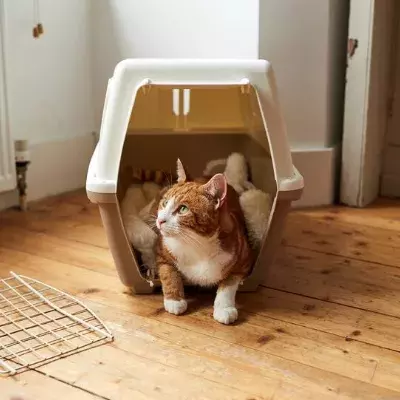
Leave the cat carrier in the settling room in case they want to rest or hide in it. You can remove the door so it’s more like a cosy bed.
Try to limit the number of guests you have round while your cat is exploring their new home.
If your cat goes to one of their hiding places, leave them alone for a while. They might want some alone time to relax after the move.
Some cats’ appetites might dip as they settle. Keep a close eye on this and speak to your vet if you’re worried.
Signs your cat is ready to leave their settling room
- They’re confident and becoming frustrated
- They greet you when you come in the room
- They have relaxed body language
- They’re more vocal
How to settle your cat into a new home
How to tell if your cat needs extra support
Every cat will react differently to moving house. Give them plenty of time and space to settle in.
Behaviours to watch out for:
- Your cat’s hiding much more than you expected
- Their appetite’s changed and hasn't gone back to normal
- Other physical changes like an upset stomach or continued signs of stress
If you notice these changes in your cat, double-check that they have everything they need in their settling room and lots of hiding options.
Talk to your vet if you’re not sure your cat is settling into your new home.

Feline Behaviour team
Battersea’s Feline Behaviour Team are specialists in cat behaviour and welfare. With years of experience and professional training, they support cats through assessments, rehabilitation and enrichment. Their advice helps owners manage everyday challenges and strengthen bonds. They make sure Battersea is a trusted voice in feline behaviour and care. Read more about the team