Every cat is different. Most cats will groom and wash themselves but some need a little help. Find out if you should groom your cat and the best way to do it.
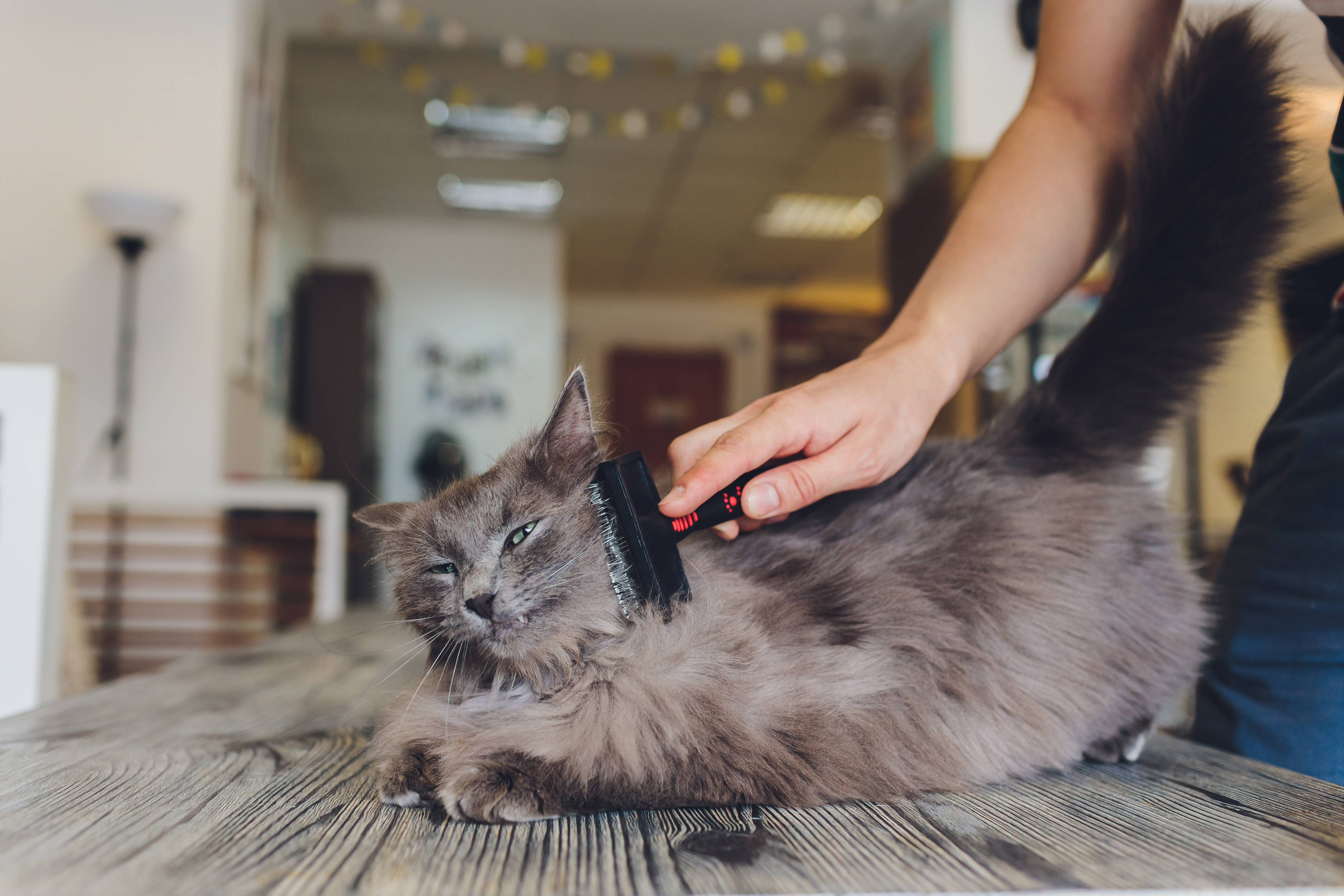
Cats are great at keeping themselves clean. They have small spines on their tongues which can remove dirt and loose hair, and they’re also flexible so they can wash hard-to-reach areas.
Sometimes cats, especially with medium and long hair, need some extra help.
Should you groom your cat?
Medium and long-haired breeds will need regular grooming. They’re more likely to get matted fur and some cats can develop sores if not groomed properly. If you feel mats developing or see messy fur around the bum, try grooming your cat more often.
Healthy short-haired cats usually don’t need grooming or brushing unless they roll in something. Make sure to take them to the vet if they roll in something toxic.
Short, relaxed grooming sessions with your short-haired cat can help keep their coat healthier, but aren’t always necessary.
Before grooming, you should know how to interact with your cat. Avoid areas that make them uncomfortable so that your cat has a more enjoyable experience.
Benefits of grooming
• Encourages skin to produce oils, giving the coat a healthy shine.
• Helps to protect against matting and hairballs.
• An opportunity to do a quick check for fleas, ticks, ear mites or any lumps or bumps.
• A good way to bond with your cat if they enjoy it.
Should you bathe your cat?
In most cases no. Cats don’t usually need bathing, as they can wash themselves, and don’t usually enjoy it.
Cats with medical conditions or specific breeds like sphynx cats need bathing to clean their skin. Ask your vet for advice if you’re not sure about bathing your cat.
Choosing the right brush for your cat
Brushes for a long-haired cat
Metal combs with alternating short and long teeth, such as a curved or slanted slicker brush, are useful for removing dirt, loose hair, and matting. For untangling knots, try a grooming comb with teeth close together. A bristle brush is a useful finishing brush for a smooth, shiny coat.
Brushes for a medium-haired cat
Metal combs with long and short teeth will help prevent mats and tangles in the undercoat. For example, slicker and pin brushes.You can then use a soft bristled brush to give the coat a nice shine afterwards.
Brushes for a short-haired cat
Most short-haired cats can groom themselves without additional help unless their fur is especially thick.
Brushing can help some short-haired cats with shedding. For this, use a bristle brush or a short-toothed comb.
How to groom a cat
Before you groom your cat
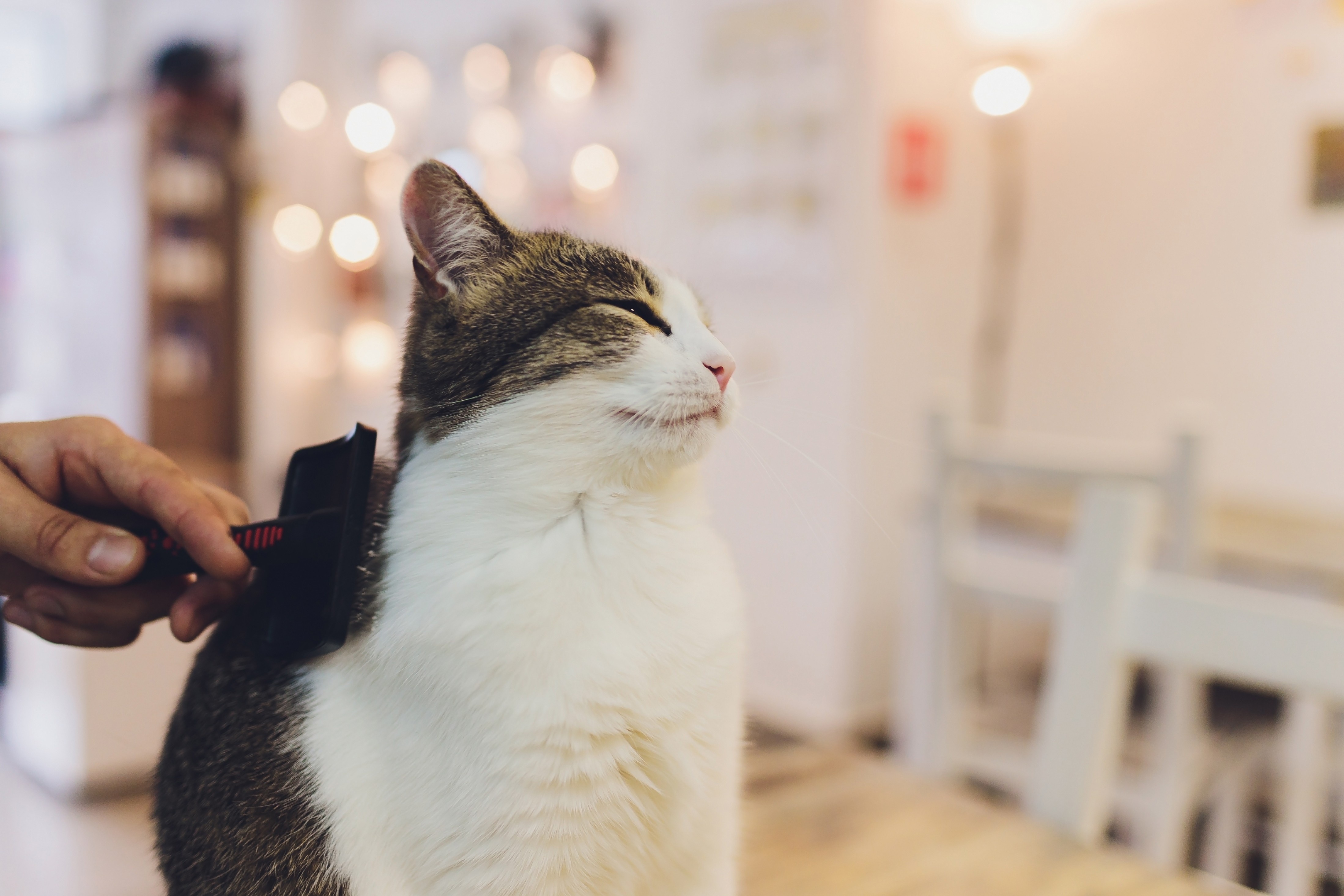
When your cat is relaxed and wanting to interact with you, show them the brush or comb. Cats are happiest when they have choice and control of interactions, so remember to let them choose to be groomed and let them walk away whenever they want.
Hold out the brush to see if they choose to sniff and rub their face against it to scent mark. This is their way of making the brush smell familiar.
Begin to groom your cat
Always groom in the direction of your cat’s fur.
Start with a few brush strokes on the head and cheek and see how they respond. Most cats like being stroked here.
If your cat’s comfortable and enjoys grooming around their head, try brushing between their shoulders and along their back.
Watch how they respond to different areas being groomed. Remember to keep an eye on their body language. A twitchy tail or rippling skin on their back means they’re not happy, so you should rest and let them relax if you see signs of stress.
It’s worth checking the tummy, legs and bum for tangles, especially in long-haired breeds. For most cats, we recommend not grooming the tummy as this is a sensitive.
If there are tangles forming on the tummy, see how your cat reacts to gentle, short grooming sessions. Don’t force your cat into these sessions.
If the tummy fur is becoming matted and your cat is not comfortable being brushed in this area, you should take them to your vet for advice.
Make grooming a positive experience for your cat
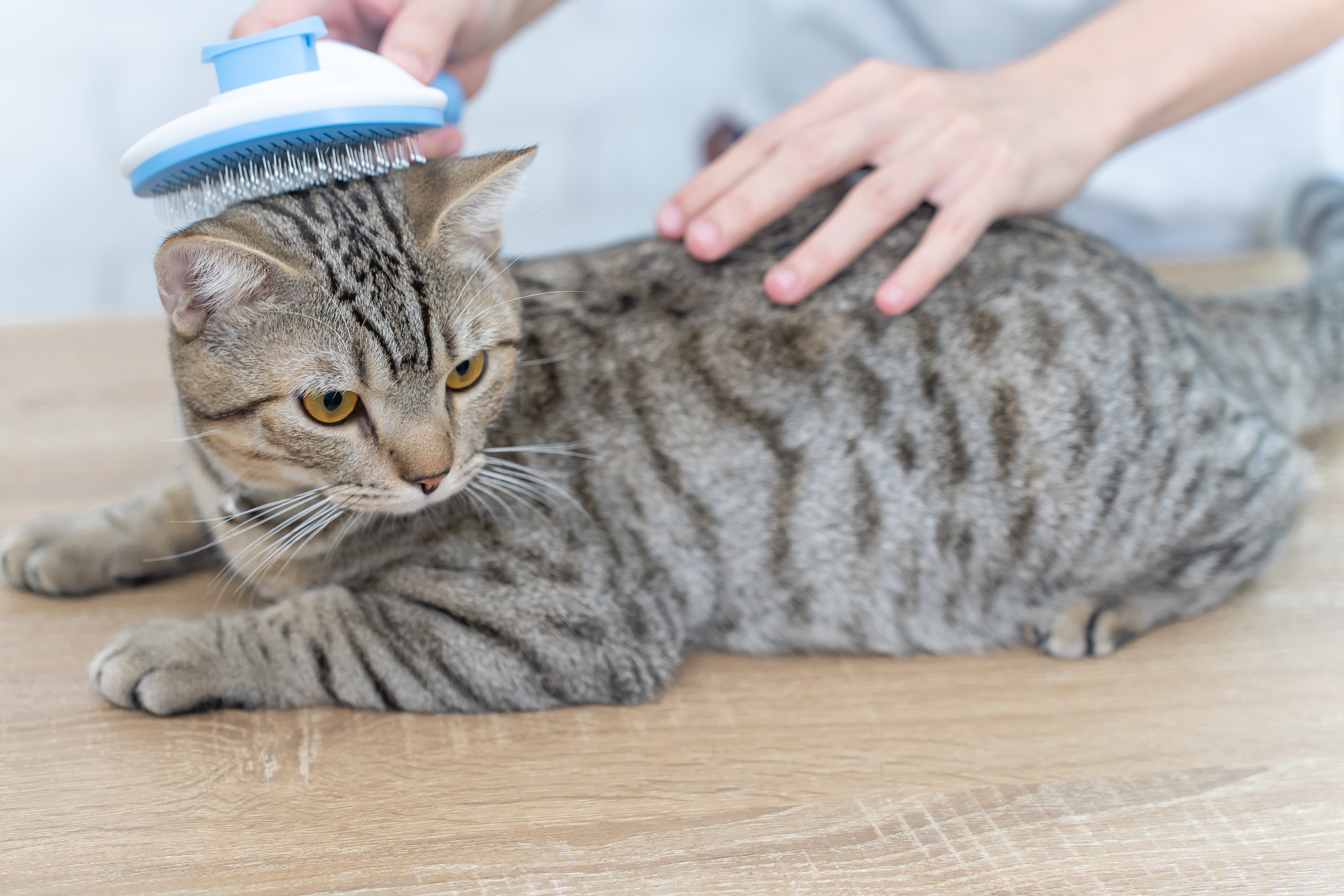
Brush your cat in short sessions to help them feel in control of the situation. Let your cat choose whether they would like to rub a certain part of their body on the brush and continue to watch their body language to see how they’re responding.
Once they’re comfortable with brushing, the length of the session can vary depending on your cat’s reaction. Make the sessions longer if they’re enjoying it.
Before you start grooming, it can help to stroke them so they know you’re going to be interacting. Continue to gently stroke them and then introduce the brush between stroking. Stroke then brush on repeat until they’re generally relaxed during groomed. Each time you begin grooming again, re-offer the brush to your cat as a way of checking they’re happy to continue.
When in doubt, try a treat! Treats are a great way to encourage your cat and make the experience positive for them.
How often should you groom your cat?
Your grooming schedule will vary depending on your cat’s needs and how much they enjoy it. Try to keep grooming consistent so that your cat knows what to expect.
Medium to long-haired cats need more regular brushing, especially if their coat is thick. Aim for around two to three times a week, and more in summer. A consistent and predictable grooming routine will keep their coats in good condition, help prevent mats, and make grooming sessions more enjoyable for your cat.
Short-haired cats may need less grooming, if any at all.
If you notice tangles forming or their fur is looking a bit messy, they might need more grooming.
A change in your cat’s grooming
If you notice a change in your cat’s fur or how they groom themselves, take them to the vet for a check-up. Some examples of change are:
• Grooming themselves more or less often
• Mats in new areas
• Uncomfortable self-grooming
• They’re losing fur
• Overgrooming causing sore areas or bald spots
How to groom different types of cats
Extra thick coats
Some cats have especially thick fur, like Norwegian Forest cats and Ragdolls. Groom these breeds frequently and make sure you brush their undercoat.
Ask your vet for advice if you’re not sure how to groom your cat.
Hairless cats
Hairless breeds such as sphynx cats need regular bathing to keep their skin clean and healthy.
Your vet can tell you how often to bathe your hairless cat and what products to use. It’s important to clean areas where dirt and bacteria can build up, such as between toes, in the ears and in skin folds.
The first time you bathe your hairless cat, fill a sink halfway up with warm water and place a towel at the bottom of the sink so it’s less slippery. You can offer a tasty liquid treat smeared on the side of the sink for your cat to enjoy.
Begin to gently sponge and clean them. Keep calm and try not to restrict your cat’s movements too much or overwhelm them.
Then towel dry your cat including between the toes. Once they’re dry, keep them nice and warm as hairless cats get cold much quicker than other breeds.
If your hairless cat doesn’t enjoy bathing, don’t force them. Ask your vet for advice. They might recommend special grooming wipes.
Kittens
Introducing your kitten to grooming at an early age helps them get used to the brush. This is especially important for long-haired kittens who you’ll need to groom more when they’re older. Gradually build up the amount of time you spend grooming your kitten until they’re comfortable.
For your first session, start by using a clean, soft toothbrush. This helps your kitten get used to grooming before moving onto a larger brush.
Some kittens will enjoy touching and brushing more than others. Build up how often you brush them and how long for. Always let your kitten move away if they’re showing signs of stress.
To create a positive experience for your kitten, stroke them for a bit and then groom them. Continue to gently stroke and then brush on repeat until they’re generally relaxed being groomed.
Elderly cats
It might become harder for your cat to groom hard-to-reach places as they age.
Short-haired cats, who may have previously groomed themselves, might need extra help as they get older.
Elderly cats can be extra sensitive to grooming. Muscle loss or arthritis can make their muscles tender, and their hips and spines can be extra bony. Use a soft bristle brush in these areas.
Keep a close eye on any changes in their regular grooming or how they react to being groomed. Ask your vet for advice if matting or severe tangling develops.

Feline Behaviour team
Battersea’s Feline Behaviour Team are specialists in cat behaviour and welfare. With years of experience and professional training, they support cats through assessments, rehabilitation and enrichment. Their advice helps owners manage everyday challenges and strengthen bonds. They make sure Battersea is a trusted voice in feline behaviour and care. Read more about the team