Learn how to introduce cats safely and create a harmonious multi‑cat home. Step‑by‑step guidance and practical advice to help your cats live together with confidence.
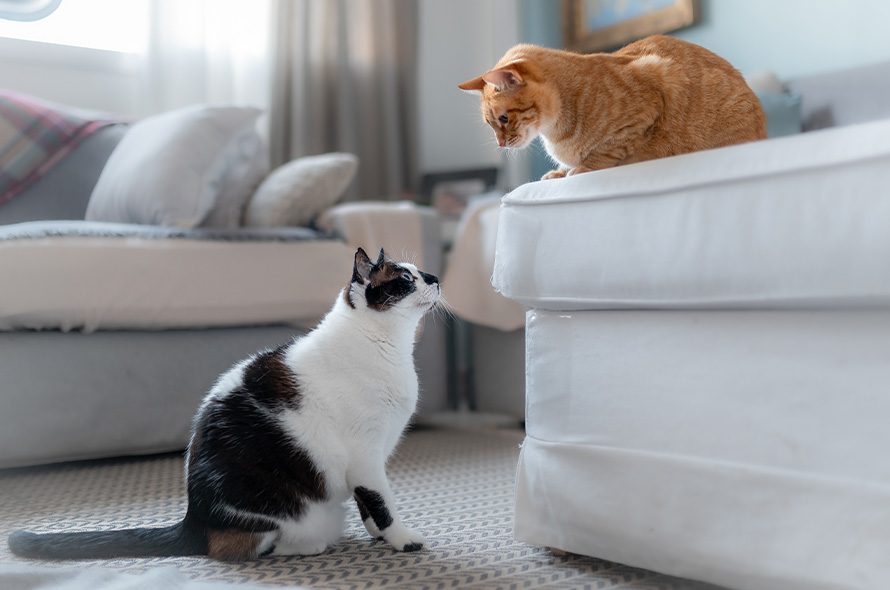
Introducing a cat to another cat takes time, patience and a clear plan. Cats are naturally asocial animals, so they don’t naturally choose to live in groups. A careful introduction helps each cat feel safe and reduces stress. It also gives them the best chance of living together peacefully.
Many cats won’t become close friends, and that’s okay. If they learn to tolerate each other, that’s still a positive and healthy outcome.
Choosing the right second cat
Before you bring home a second cat, think about how well they may match your resident cat.
Consider:
- Age and energy levels – a lively kitten may overwhelm an elderly cat
- Temperament – confident cats often adapt more easily to change
- Health and mobility – pain or limited movement can increase stress
- History with other cats – cats with positive past experiences may settle faster.
Consider how much space each cat needs. Cats value their own territory, so your home should offer separate areas to rest and retreat.
There is no perfect formula. Aim for a cat whose needs and personality complement your resident cat. These steps also work to introduce a kitten to a cat.
How to introduce cats to each other
Move through each step at your cats’ pace. When you introduce a kitten to a cat, slow and steady steps lead to safer, calmer meetings. Some steps can range from a few weeks to a few months.
1. Use pheromone diffusers
Before your new cat arrives, plug in pheromone diffusers. These copy a cat’s natural pheromones, which are scent signals cats use to feel safe and calm. They help the home feel secure.
Place them in the settling room and in areas your resident cat uses often. These can help both cats feel more secure.
2. Set up a settling room for your new cat
Choose a quiet room for your new cat to settle in first. Pick a space your resident cat does not rely on.
Include:
- A litter tray placed away from food and water
- Food and water bowls, spaced apart from each other
- A cosy bed and hiding places
- A scratching post
- Toys and enrichment
- A secure door or baby gate.
Your new cat should stay in this room while they adjust. Keep it available as their safe retreat throughout the whole introduction process.
3. Swap and spread scent
After two or three days, begin scent swapping. Place a blanket from your resident cat in the new cat’s room. Then swap a blanket the other way. Add a few treats to build a positive link.
Spread the new cat’s scent to help both cats feel familiar. Let them rub their cheeks on a soft cloth, then wipe it on furniture at cat height. This helps your resident cat accept the new scent in shared areas.

4. Offer controlled visual contact
When both cats seem relaxed with each other’s scent, let them see each other through a barrier. Open the settling‑room door slightly and secure it. You can also use a baby gate. Keep sessions short and calm.
If either cat stares, growls or hides, return to scent swapping for a few days.
Take the focus off each other by offering treats to both cats and having someone play with each cat during this stage.
5. Move to supervised meetings
If visual contact goes well, open the door fully and let the cats meet. Keep these sessions short. Never force interaction. If they ignore each other, that is a very good sign. Coexistence is a natural goal for many cats.
Use treats or toys to keep the mood relaxed and build a positive association with each other. Keep the settling room open so the new cat can retreat if needed.
Mild hissing or swatting isn’t unusual. If you see persistent growling or either cat becoming aggressive, pause the process and go back to a previous step.
If a fight breaks out, avoid using your hands to separate them. Use a barrier, such as a large piece of cardboard, to block their view. Direct intervention can cause accidental injury. Do not restrain either cat with leads, harnesses or carriers at any point in the introduction process. Each cat must be able to approach and retreat on their own terms.
Creating a harmonious multi‑cat household
A peaceful multi‑cat home relies on space, choice and access to resources. The aim is to reduce competition so each cat can meet their needs without stress.
Provide enough resources
Spread resources throughout the home so each cat can access their own resources without competition.
Include:
- Food stations: one per cat, placed apart. Cats don't naturally choose to eat close together.
- Water sources: several around the home, away from food.
- Litter trays: one per cat plus one extra, in private spots.
- Scratching posts: several around the home, near entry and exit points.
- Hiding places and perches: boxes, enclosed beds, high shelves or the top of a wardrobe. You can also offer a multi-level cat tree.
- Pheromone diffusers: multi‑cat products can help reduce tension.
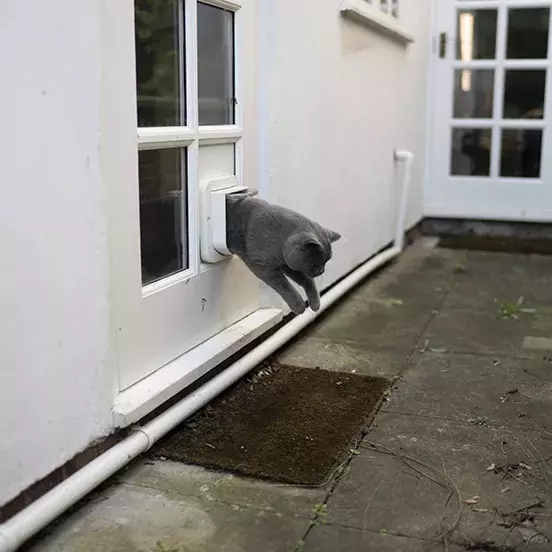
- Outside access: a cat flap gives cats more space and choice.
Support positive interactions
Spend individual time with each cat. Provide regular play and social time so they feel supported and to help keep the environment calm. Try parallel activities, such as feeding in the same room at a distance.
Watch for subtle signs of tension
Cats don’t always show their emotions clearly, so look for subtle signs of tension. These can include blocking access to litter trays or the cat flap, staring, low growling when near each other, or walking away when another cat enters. If you notice these behaviours, you may need to add more resources or slow things down.
When cats don’t get on
Some cats are not compatible or can struggle in multi-cat environments. If conflict continues despite slow, careful introductions, seek extra support from a feline behaviourist.

Feline Behaviour team
Battersea’s Feline Behaviour Team are specialists in cat behaviour and welfare. With years of experience and professional training, they support cats through assessments, rehabilitation and enrichment. Their advice helps owners manage everyday challenges and strengthen bonds. They make sure Battersea is a trusted voice in feline behaviour and care. Read more about the team