Feeding time isn’t just about keeping them nourished - it’s a great way to build routine and help them feel confident. Cockers can be greedy, so you need to get portions and timing right - this is something you can speak to your vet about to find what’s right for your puppy.
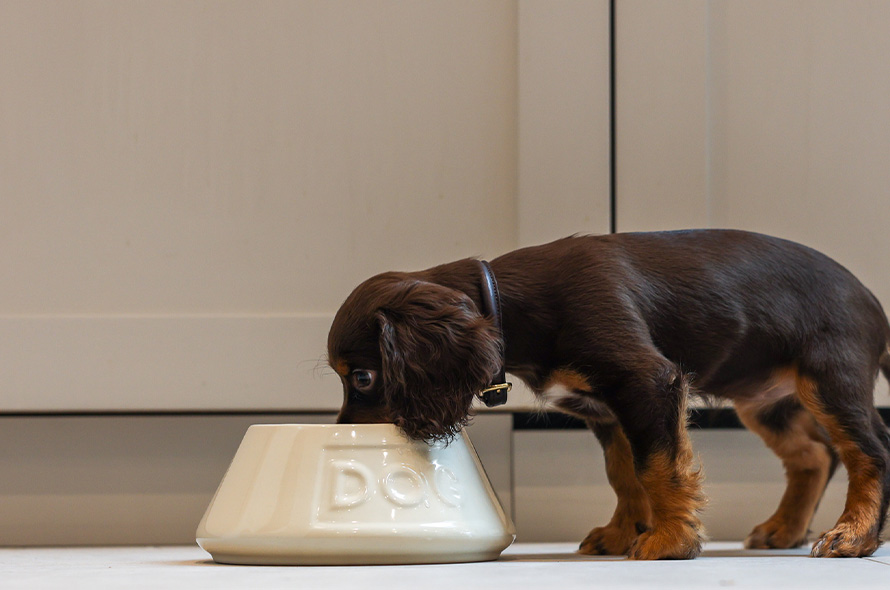
Food Quantity:
- Start with four small meals a day, then drop to three around 12 weeks, and two (morning and evening) by five months.
- Speak to your vet about the daily quantities you should be giving them based on their size.
Food Type:
- Avoid late-night snacks, feeding too late makes toilet training trickier.
- Stick with the breeder’s food at first, then slowly switch if you want to change. Sudden swaps can create unhappy stomachs. We suggest weaning them off over 7-10 days.
- Go for puppy food with real protein listed in the ingredients (chicken, fish). Skip vague things like ‘meat derivatives’.
- Food can be wet or dry (kibble). Many owners choose to feed a combination of the two.
Other Food Tips:
- 24-hour access to fresh water is a must.
- Skip any human food, rawhide chews, and rich treats early on.
- Let them eat in peace - no hovering, no children crowding. Cockers don’t like it if you pressure them around food.
If you need help choosing the right food for your puppy, this site helps you compare different dog foods: https://www.allaboutdogfood.co.uk/
Thinking about raw feeding?
Some people swear by raw feeding - it feels more natural, and it can sometimes help with digestion and coat health. Sounds great, right? But with a growing puppy, you’ve got to be careful.
Remember, a good raw diet needs to have:
- Raw meat and organ meat (liver or kidney).
- Raw bones (never cooked - cooked ones splinter).
- Fruit and veg.
- Supplements to balance everything out.
Here’s the tricky bit about raw food diets:
It’s easy to miss something important. And if a puppy misses key nutrients now, it can cause health problems down the line. So, before you dive in, talk to your vet.
And one more thing - hygiene. Raw food is delicious… For puppies, but also for germs. If you’re using a raw food diet, try to avoid puppies licking hands and faces (particularly of children) and make sure you’re staying up-to-date with your puppy’s worm and parasite treatment.
Can your puppy have human food?
It’s so tempting to share your food with those big puppy eyes - but while they’re little, it’s best to stick to puppy food so they get all the nutrients they need.
As they grow, you can add in some safe extras as treats to mix it up. Some human foods are fine in tiny amounts, some are okay in moderation, but some are really dangerous for dogs. Remember all treats need to be factored into your puppy’s daily food allowance.
Safe Food for Dogs (in moderation):
- Fruits & Veg: Apples (no seeds or core), Bananas, Bell Peppers (no seeds), Blueberries, Carrots, Cucumber, Green beans, Peas, Pumpkin (plain, cooked), Watermelon (no seeds or rind)
- Protein: Meat such as Chicken, Turkey, Beef, Lamb (cooked, with no bones or seasoning), fish like Salmon and White Fish (cooked, with no bones)
- Eggs & Dairy: Plain yoghurt (unsweetened), Small amounts of cheese (low-fat, if dog tolerates lactose), Eggs (cooked)
- Grains: Rice, Pasta and Oats (cooked and unsweetened/unseasoned)
Foods to Treat with Care (tiny amounts only):
- Fruit & Veg: Asparagus, Broccoli & Cauliflower, Cranberries, Mango (remove skin and stone), Spinach (cooked), Strawberries, Sweetcorn (kernels only, no cob)
- Protein & Dairy: Bacon or Ham (low salt only), Dairy (some dogs are lactose intolerant - start with tiny amounts), Liver
- Other: Cashews & Peanuts (unsalted only), Coconut, Honey, Peanut Butter (xylitol-free and unsalted)
Unsafe/Toxic Foods for Dogs (avoid completely):
- Fruits & Veg: Grapes, Raisins & Sultanas, Onions, Garlic, Leeks & Chives, Avocado, Mushrooms, Rhubarb, unripe Tomatoes & Tomato stalks and leaves, fruit pips & stones
- Nuts: Macadamia nuts, Almonds, Pecans, Pistachios, Walnuts
- Drinks: Alcohol, Caffeine (found in coffee, tea and chocolate)
- Other: Chocolate, cooked bones, fatty foods, raw bread dough, raw potatoes, Xylitol (an artificial sweetener found in sugar free products like chewing gum, mints, some sugar-free baked goods and peanut butters)
And remember to always keep an eye out for any scavenging - Cockers are notorious bin-raiders and plate-snatchers! Keep unsafe foods out of reach.
If you suspect your dogs has eaten something they shouldn’t:
- Don’t wait for symptoms. Call your vet immediately — fast action can save their life.
- If it’s out of hours, contact an emergency vet or animal poison helpline.
- Keep packaging or a list of what they ate to show your vet (if you know).
- Don’t try to make them sick unless told to by a professional.
- Common signs of poisoning include vomiting, drooling, shaking, weakness, or collapse.
Here's a handy poster with all this written down for you.
You may find it helpful to print this pdf out and put it on your fridge to remind you what foods are safe!
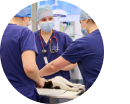
Veterinary Clinic Team
Battersea’s Veterinary Team are skilled vets and nurses who care for thousands of dogs and cats each year. They provide check‑ups, vaccinations and routine and complex surgeries across our site clinics. Their expertise helps every dog and cat in our care get the best possible treatment. Read more about the team