Booking your first vet visit
Your puppy should have a check-up a few days after getting home. A good vet will make it low-stress and even a bit fun.
Not sure which vet to go to? Ask around - local Facebook groups or community pages are great for getting honest recommendations and an idea on costs (vet costs can vary significantly).
At this visit, you can talk about:
- When your puppy needs the next vaccine.
- Flea, tick, and worm advice.
- Neutering timing.
- Growth, feeding, and exercise tips.
- Who to call in an emergency or out of hours if something goes wrong.
Bring a few questions with you - it’s your chance to get comfortable and confident looking after your puppy.
And if the vet doesn’t feel right for you, it’s worth continuing to shop around.
Vaccinations
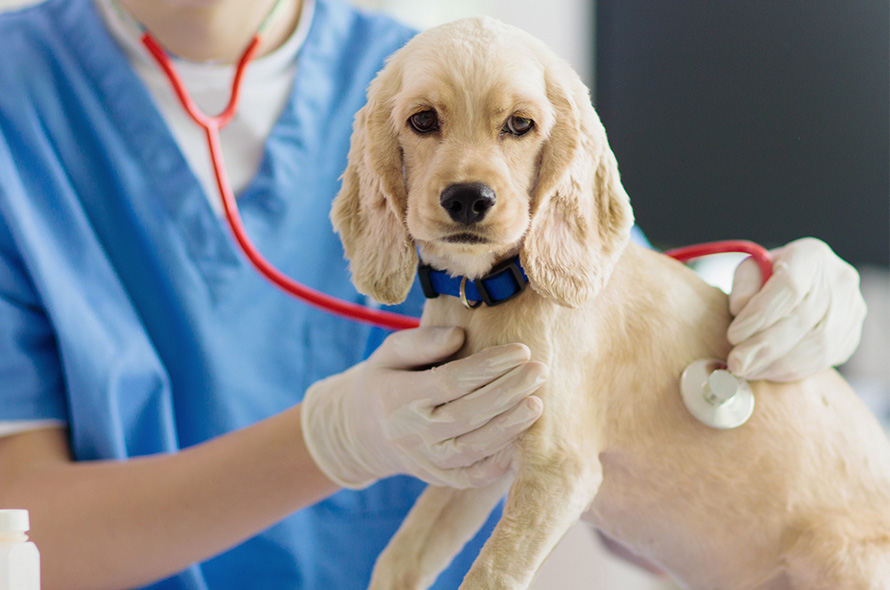
Your puppy’s immune system is still finding its feet, so vaccines are essential to keep them safe from potentially fatal and highly contagious diseases like parvo (CPV), distemper, leptospirosis and hepatitis. PDSA has some useful information on vaccinations and their importance for pets.
Mum’s milk may have kept them safe up until now, but that protection fades quickly.
Remember - all the vaccines and treatments vets recommend are rigorously tested and, without these, puppies will be vulnerable to diseases.
Cases of these diseases among dogs and puppies in the UK appear to be increasing, as vaccination rates have fallen. The PDSA reported in 2023 that 51% of vets had observed an increase in parvovirus and 35% reported an increase in leptospirosis in the last two years. If you still have concerns, don’t be shy about asking questions - your vet will be very happy to chat through what’s best for your puppy.
If you’re struggling with the cost of vaccinations and healthcare, PDSA offers support for eligible pet owners. Check your eligibility on the PDSA website here: Eligibility - PDSA

Flea, tick and worm prevention
Keeping your puppy protected from parasites is essential for their health — and yours too.
- Fleas can cause itching, allergies, and tapeworms. Once they’re in your home, they spread fast.
- Ticks carry diseases like Lyme disease — they can latch on during walks, even in parks or gardens.
- Worms (roundworm, tapeworm, lungworm) can cause tummy upsets, weight loss, and in severe cases, serious illness. Puppies are especially vulnerable.
Vet tip:
- Puppies usually need worming every 2–4 weeks until 12 weeks old, then monthly going forward
- Flea and tick treatment should be given monthly.
- Use vet-recommended flea, tick and worming treatments — some of the more effective products can only be obtained via your vet or by prescription.
- Keep up a regular treatment schedule all year round, not just in summer.
Be ready for emergencies just in case
Emergencies are rare - but it’s best to have a plan. Find out where your local emergency vet is (your regular vet will be able to tell you) and keep their number and address somewhere easily accessible - your fridge, your phone, wherever works. That way, if anything does happen, you’re not scrambling around looking for it.
Pet First Aid:
A quick pet first aid course could be surprisingly handy. Just knowing the basics makes you feel a lot more confident. There are many options available - online or in person. The PDSA offers this free first aid guide that will take you through the basics: pdsa-pet-first-aid-guide.pdf
Veterinary Clinic Team
Battersea’s Veterinary Team are skilled vets and nurses who care for thousands of dogs and cats each year. They provide check‑ups, vaccinations and routine and complex surgeries across our site clinics. Their expertise helps every dog and cat in our care get the best possible treatment. Read more about the team