Find out how much exercise your dog needs. Learn how age, breed and health shape their routine, and how to spot signs of too much or too little.
Regular exercise helps keep your dog fit and happy. Most dogs need a walk every day and activities that get their brain working.
Dog exercise at a glance
- Match exercise to your dog’s age, breed, health and personality.
- Walk your dog every day and add activities that get their brain working.
- Watch for signs of too much or too little exercise.
- Build puppy walks up slowly.
- Skip walks when it’s hot and go out early or late instead.
Every dog is different so there's no set rule for how much exercise is the right amount. Fitness changes over time, as it does for us. When figuring out how much exercise your dog needs, consider your dog's age, breed, health and personality.
Benefits of exercising your dog
Getting your dog’s exercise right helps them stay healthy and happy.
Physical health
Enough exercise helps prevent obesity. It improves heart health and builds strong bones and muscles.
Mental wellbeing
Enough exercise helps ease anxiety and stress in your dog. It can also reduce destructive behaviours like barking and jumping.
Your bond
Walking together strengthens your bond with your dog. Owners who walk their dog enough are more likely to find ownership easy.
Signs your dog may need more exercise
For most dogs, walking for 30 minutes or less a day won't give them enough exercise or mental stimulation. Your dog's behaviour may signal to you when they need more exercise. Look out for:
• Destructive chewing
• Restlessness
• Hyperactivity
• Attention-seeking.
These can also be signs of other things like pain, discomfort, receiving too much exercise or not enough rest. Check with your vet before you change their exercise routine.
Signs your dog may be getting too much exercise
Too much exercise can harm your dog. Your dog may push themself too hard to stay near you, so watch them closely. Stop straight away if you see:
• Heavy panting or laboured breathing
• Limping
• Lagging behind
• Refusing to walk or run.
Never pull or force a dog to carry on. Offer water and let them rest in the shade. Ask a vet for advice if they don't recover quickly.
Jumping up or biting and pulling on their lead can also be a sign of being overstimulated which can come from too much activity.
Benefits of walking your dog
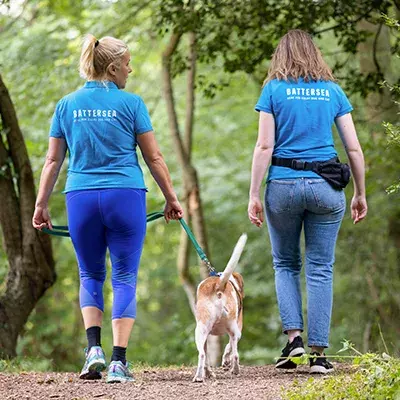
Taking your dog for a walk is a great way to meet your dog's exercise needs. Most dogs need a walk every day. Some dogs may enjoy frequent short walks, while others need one longer walk.
Walking also gives your dog new sights and smells to think about. Mixing up your route and giving more opportunities to sniff are important ways to get their brain working.
If you notice the signs above, reassess your routine and see if walking your dog more or less helps.
Exercise needs by breed group
These are starting estimates for healthy adult dogs. Every dog is an individual with their own likes and medical needs. Use your own judgement, along with your vet’s advice, to build their routine.
Don't rely on size as a guide to exercise needs. Many small terriers need over 90 minutes a day.
Herding breeds
Examples: Border Collies and Belgian Malinois.
Daily exercise: 2 hours or more, spread across the day.
Good activities: long walks, herding-style games, agility, obedience and problem-solving. Intelligent dogs need lots of mental stimulation and a job to do.
Gundog breeds
Examples: Labradors, Golden Retrievers, Cocker Spaniels and Vizslas.
Daily exercise: over 90 minutes.
Good activities: swimming, scent work, retrieving and countryside walks. Gundogs love to please, so training games suit them well.
Working and guarding breeds
Examples: Siberian Huskies, Alaskan Malamutes, Bullmastiffs and Rottweilers.
Daily exercise: varies a lot. Sled breeds need high levels, while heavier breeds such as Bullmastiffs need less.
Good activities: hiking, structured play, training, tracking and suitable endurance activities. Look into what your dog’s breed was originally bred to do and find games that match.
Terriers
Examples: Jack Russells, Border Terriers and Staffordshire Bull Terriers.
Daily exercise: some need over 90 minutes.
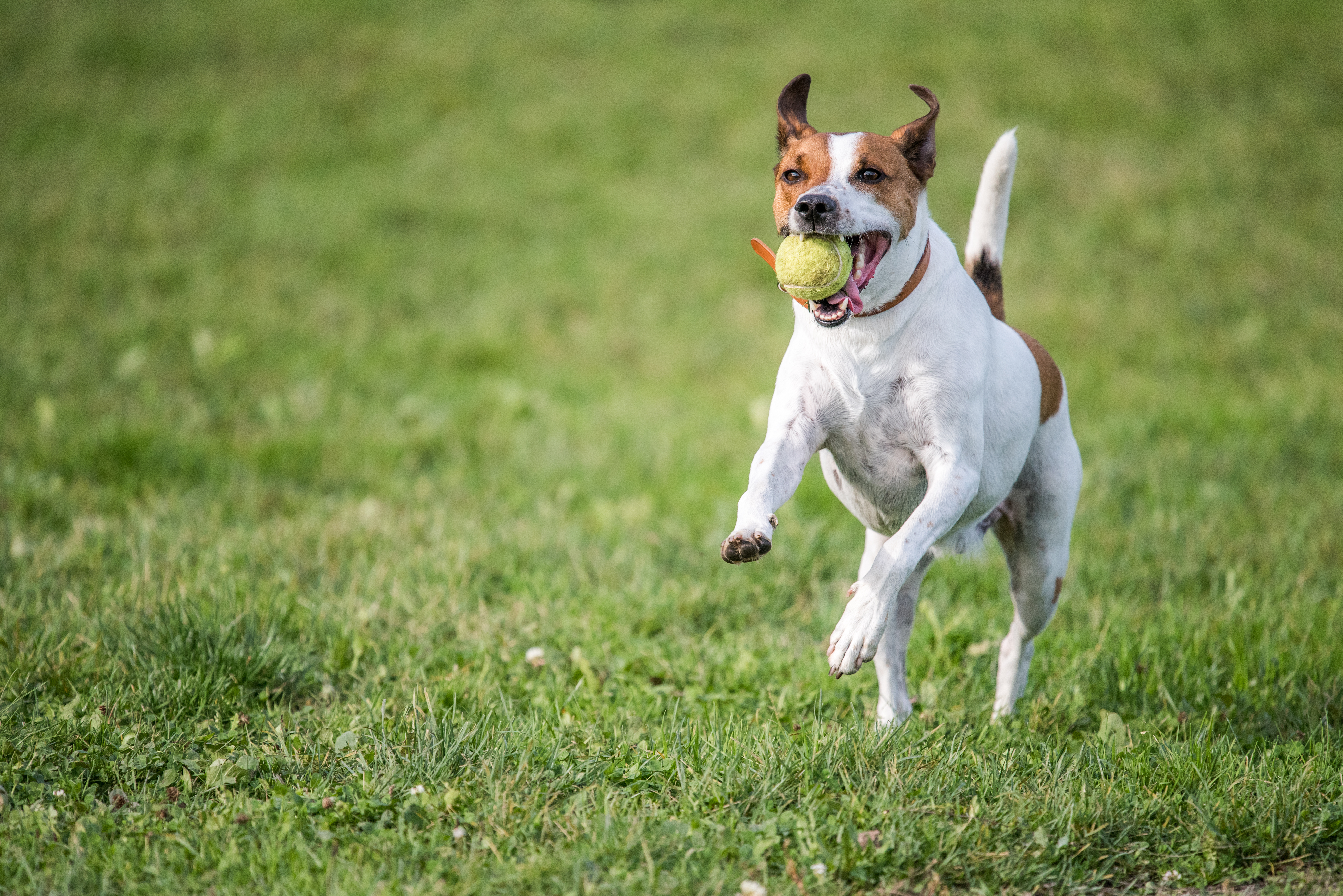
Good activities: exploring, digging games, scent games, chasing toys and agility.
Scent and sight hounds
Examples: Beagles, Dachshunds, Basset Hounds and Whippets.
Daily exercise: varies by breed. Even small hounds need regular exercise.
Good activities: sniffing walks, scent trails, secure running areas and short bursts of sprinting.
Mixed-group breeds
Examples: Bulldogs, Dalmatians, Poodles and Shiba Inus.
Daily exercise: varies a lot. A Bulldog may be happy with 30 minutes, while a Dalmatian may need up to 2 hours.
Good activities: depends on the breed. Some enjoy long walks and active games, while others prefer gentler sessions.
Small companion dogs
Examples: Chihuahuas, Maltese, Pomeranians and Pugs.
Daily exercise: 30 to 60 minutes across the day.
Good activities: short walks, playtime, exploring and indoor enrichment.
Extra care for some dogs
- Flat-faced breeds, such as French Bulldogs and Pugs, can have narrow airways and overheat fast, even when the weather feels mild to us. Shorter more frequent walks or extra brain games can help meet their needs.
- Older dogs may suit gentle activities better if they have arthritis or muscle loss.
Walking your puppy
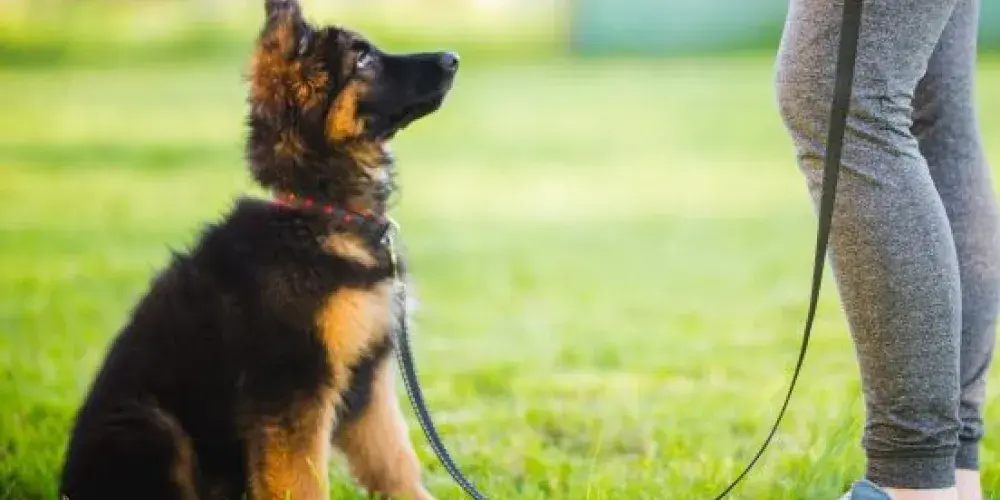
Puppies need less exercise than adult dogs. Too much can damage their growing joints, bones and tendons, especially in active breeds.
A good guide is 5 minutes of formal exercise for each month of age, up to twice a day, until your puppy is fully grown. That’s 15 minutes at three months and 20 minutes at four months. This varies by breed and health, so ask your vet what suits your puppy.
Short walks may leave your puppy short on mental stimulation. A slightly longer walk of around 30 minutes at a slow pace can help. So can sitting on a bench and letting your puppy watch the world go by.
Some breeds may not know when to stop. You may need to end play and walks early to stop them overdoing it.
Running with your dog
Running steadily over a long distance takes stamina. Much like you, your dog needs to train and build fitness over time.
Not all dogs will like running (no matter the breed!) and some need extra care.
Avoid distance running until they’re fully grown. Small dogs mature earlier, while large breeds can take 18 to 24 months.
Running can also bring lots of distractions and opportunities to interact with other people and dogs. Make sure your dog is comfortable in your environment before venturing out.
Brain games
In addition to physical activity, your dog needs to work their brain. This is particularly important for high energy breeds or those that aren’t able to get as much physical activity. Mental stimulation for dogs can include sniffing on walks, play time or toys. At home, you can try scent games and puzzle feeders.
Exercising in hot and cold weather
Hot weather
No single temperature is safe for every dog. Humidity makes it harder for them to cool down. This can be especially challenging for puppies, older dogs and flat-faced breeds.
Skip the walk if the pavement is too hot to touch with your hand or it's over 25°C, especially in sun or high humidity.
Heatstroke can be fatal. Contact your vet straight away if you are concerned.
How to keep your dog cool in hot weather
Cold weather
Puppies lose body heat quickly because they have less fat and fur than adults. In icy or snowy conditions, avoid walks where there is salt or grit on the road, as it can irritate paws. In cold wind or heavy rain, keep walks short and offer indoor activities.
When to speak to a vet or behaviourist
Chat to your vet next time you visit about changes to your dog's exercise routine. If increasing or decreasing their exercise, check whether their food intake should also change.
You should also speak to your vet if your dog starts to limp, tire quickly or you’re concerned about changes in their behaviour.

Canine Behaviour team
Battersea’s Canine Animal Behaviour Team are experts in dog behaviour and welfare. The team is made up of trained professionals with decades of combined experience. They specialise in assessing, rehabilitating and supporting dogs using positive, evidence-based methods.
Their trusted guidance helps owners understand behavioural challenges and build stronger relationships. They make sure Battersea remains a leading voice in canine behaviour and welfare. Read more about the team