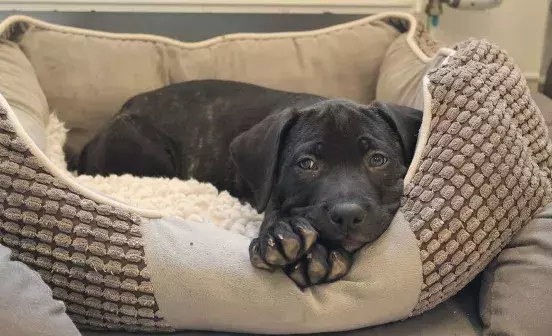
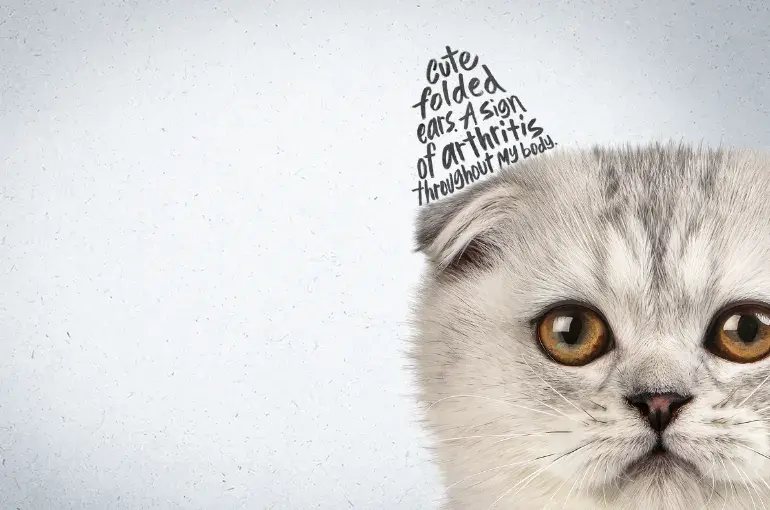
The growing demand for dogs and cats has led to a rise in breeders that put profit over animal welfare. Well-meaning buyers don't always spot the signs of poor breeding, which continues a harmful cycle of some breeders making more money from poorly bred puppies and kittens.
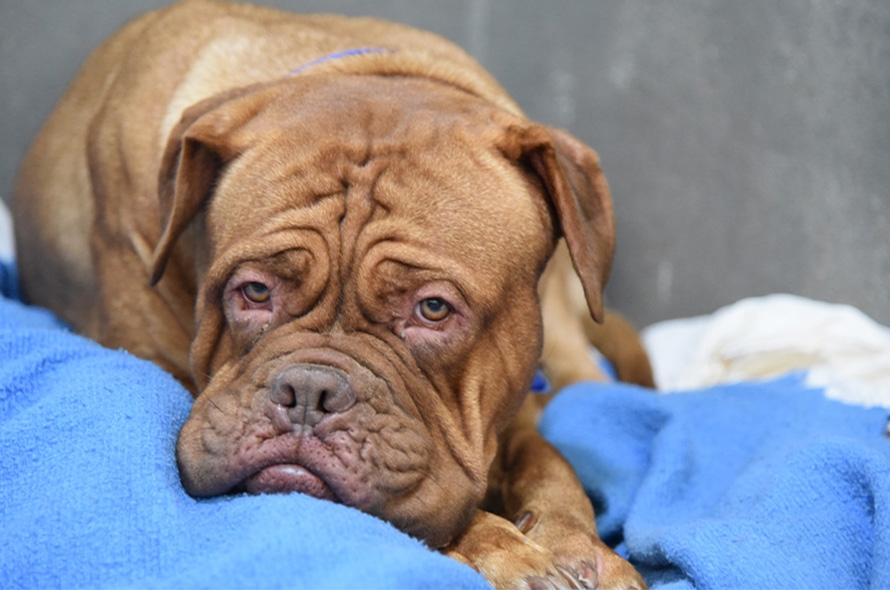
What’s the issue?
There’s more demand than ever for dogs and cats. At the same time, social media and online platforms have made the process of buying and selling animals much easier.
Sadly, this has led to a growing number of breeders putting profits over animal health and welfare – from overbreeding them, to breeding for unhealthy features, and importing animals into the UK that may be carrying diseases.
It’s not always easy for well-meaning buyers to spot the signs of a poorly bred dog or cat. If they do, they may want to ‘save’ the animal, rather than walk away. So people buy dogs and cats without understanding the impact poor breeding will have on their new pet’s health and behaviour – sometimes throughout their life.
How does this affect dogs and cats?
Dogs and cats that are bred with little thought for their welfare don’t have a fair chance in life. This is because:
• They may be kept in unsuitable conditions, without the care and attention they need
• They’re more likely to suffer with health issues, like diseases and inherited conditions
• They may not have been vaccinated in those crucial early weeks
• They’re not socialised properly, so find it harder to bond with people and other animals
• They’re more likely to be given to rescues like Battersea because their owner can’t give them the care they need, or because their breeder gives them away when they no longer have value to them
What’s Battersea doing?
At Battersea, we speak up when we see that dogs and cats deserve better.
With your support, we urged parliament to get the Animal Welfare (Import of Dogs, Cats and Ferrets) Act passed. This will help prevent the smuggling of puppies, kittens and animals in late-stage pregnancy. We’re now working with the Government to shape additional pieces of legislation that are needed to put the new law into practice.
But there’s still more to do. That’s why we’re:
- Working with the government and the animal welfare sector to improve regulations for breeding dogs, and to introduce regulations for breeding cats.
- Giving the public the information they need to recognise good breeding, and supporting them to find a dog or cat with welfare in mind, ideally through rescue.
- Launching our Cost of Cute campaign to help people understand the health and welfare implications of breeding dogs and cats with extreme features, and ultimately reduce demand for animals that are bred in this way.
- Supporting the Innate Health Assessment initiative, which helps prospective buyers and breeders make more informed decisions when it comes to choosing or breeding from a dog, to avoid extreme characteristics that are detrimental to health and welfare.
- Calling on the Government to regulate cat breeding as a licensable activity.
- Supporting calls to regulate the rescue and rehoming sector. Right now, anyone in England and Wales can set up or call themselves a rescue, even if they don’t have adequate staff, funding, training or facilities. This is putting dogs and cats’ welfare at risk. Regulating and inspecting sanctuaries and rescues is a vital step to safeguarding vulnerable animals.
How can I help?
With your support, we’ll be able to make an even bigger impact. Here’s what you can do to help:
• Sign up to our campaigning newsletter to be the first to know about updates and ways to get involved.
• Find out more about our Cost of Cute campaign and share it with your friends and family
• Help us by sharing this good news for dogs and cats.
• Find out what to do if you spot bad breeding, including how to report it.
• If you’re thinking of getting a dog, or breeding from one, use the Innate Health Assessment tool to help you prioritise health and welfare.
• If you or someone you know is looking to get a puppy or kitten, encourage them to contact a reputable rescue organisation and use:
• The Puppy Contract - for responsible puppy breeding and buying.
• The Kitten Checklist - for responsible kitten breeding and buying.