Extreme features in dogs and cats have become increasingly popular. But behind the 'cute' or ‘powerful’ appearance that someone might want, these animals often suffer welfare issues and health problems that affect their quality of life.
What’s the issue?
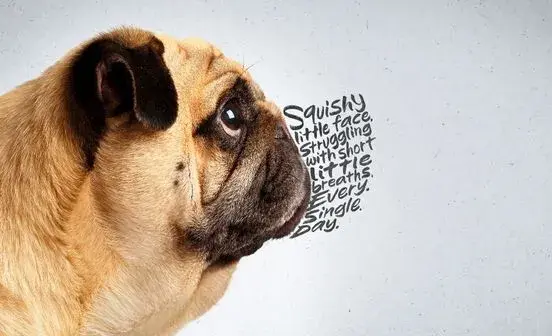
Extreme features in dogs and cats, like flat faces, very short legs, and cropped ears and tails, have become increasingly popular. This trend is fuelled by people wanting pets that look a certain way – often influenced by social media, TV or films.
These features can be harmful for dogs and cats, and stop them from living a normal, healthy life. People don’t always realise this before they get their new pet, leading to problems for owners too – from behavioural issues to expensive vet bills throughout their lifetime.
How does this affect dogs and cats?
Dogs and cats with extreme features are deliberately bred to look that way, often by breeders that prioritise the animal’s looks over its health and welfare. Or someone might modify an animal for cosmetic reasons or to fit a certain aesthetic, both of which can be harmful for many reasons:
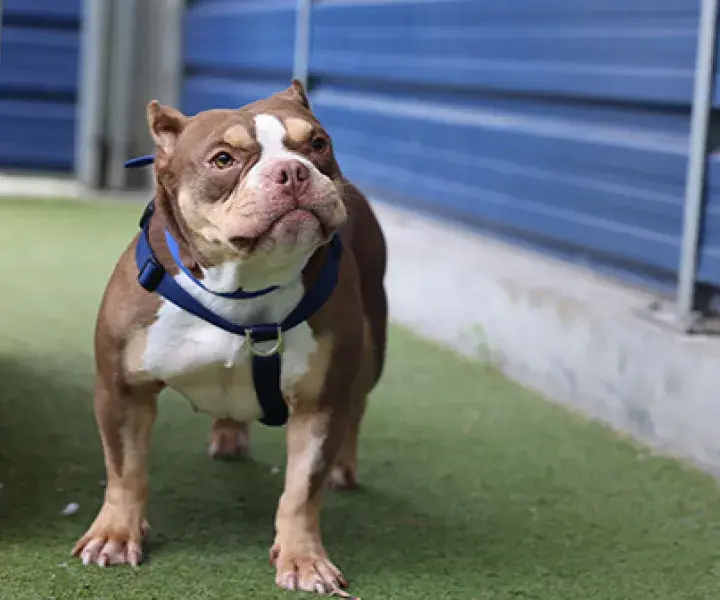
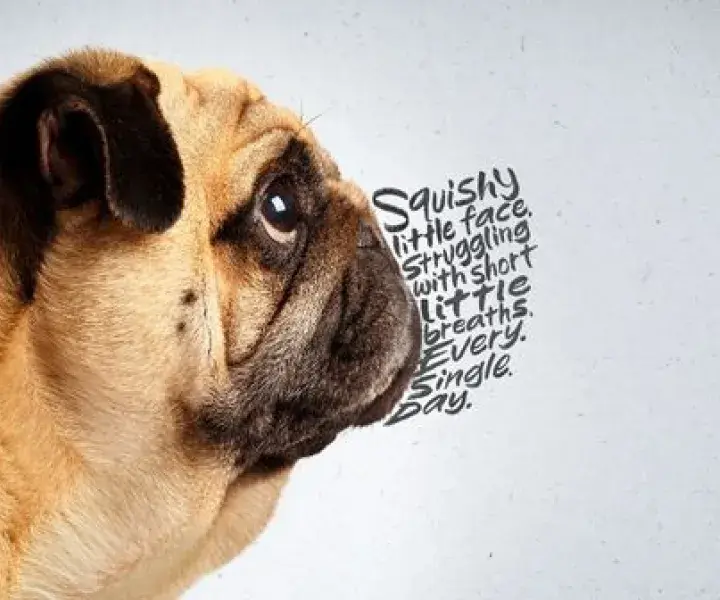
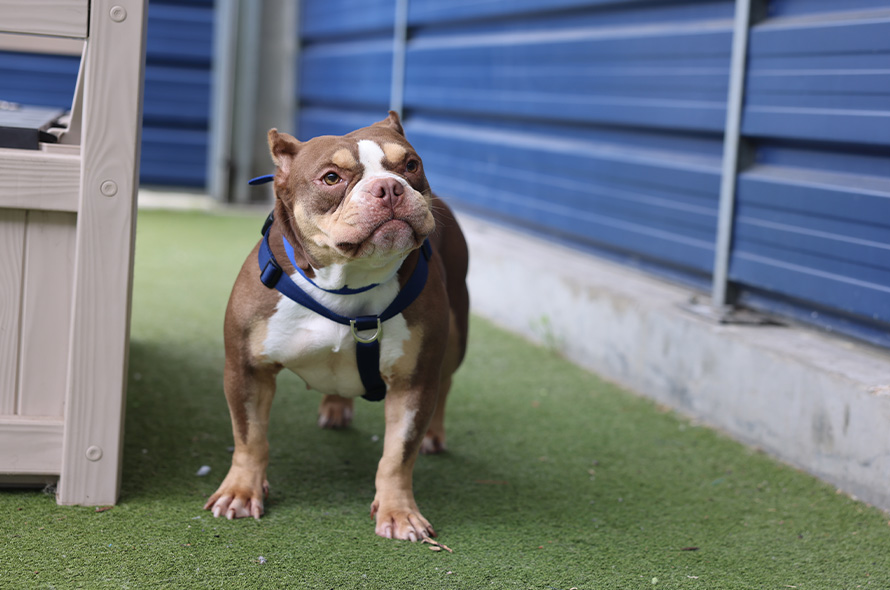
• Flat-faced breeds often can’t eat and breathe comfortably and may need expensive surgery. They often struggle to groom themselves which can lead to hygiene issues and painful skin conditions.
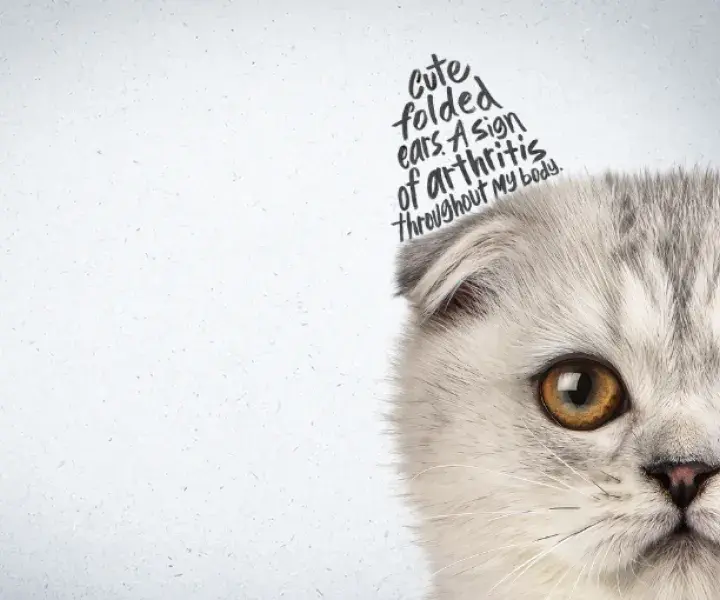
• Scottish fold cats’ folded ears are caused by a condition that affects all their cartilage and can lead to serious joint pain, arthritis and lameness.
• Dogs with screw tails can get uncomfortable infections in the deep skin folds where their bones have twisted or fused together to create a curled-up shape.
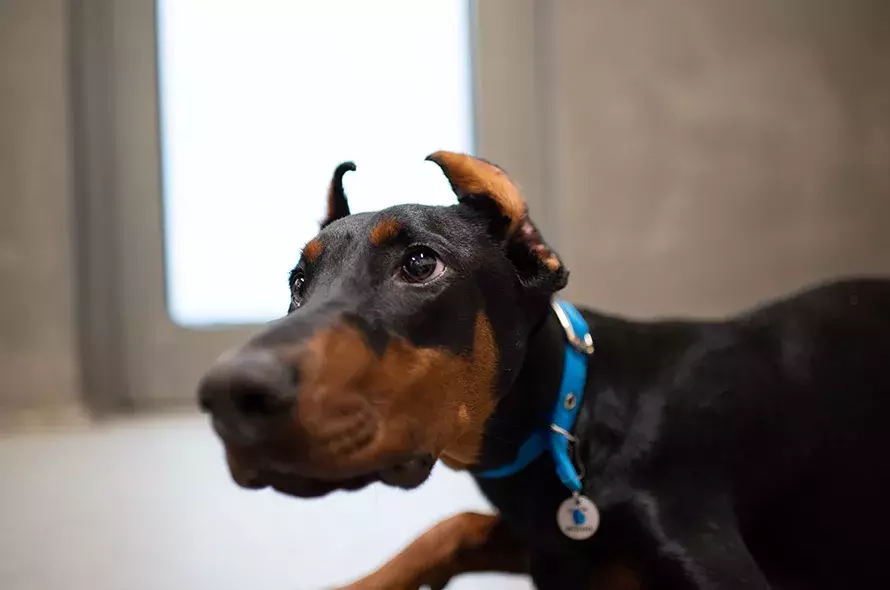
• Dogs with cropped ears can’t use their body language to communicate with their owner or other dogs which may lead to conflict or behavioural issues.
• Animals with extreme features might have shorter lifespans and need specialist, expensive care.
What’s Battersea doing?
At Battersea, we speak up when we see that dogs and cats deserve better.
With the help of our supporters, we campaigned for the Animal Welfare (Import of Dogs, Cats and Ferrets) Act to become law. This new law will help stop poorly bred animals and animals with cropped ears and other mutilations from being imported into the UK. We’re now working with the Government to shape additional pieces of legislation that are needed to put the new law into practice.
We’ve also highlighted persistent problems with low welfare breeding. We’re pleased that the Government have listened. Their new Animal Welfare Strategy commits to bringing more breeders within regulation.
But there’s still more to do. That’s why we’re:
- Launching our Cost of Cute campaign to help people understand why extreme features are harmful to dogs and cats, so that people prioritise health and welfare over an animal’s appearance, and ultimately reduce demand for animals to be bred with extreme features.
- Working with the Pet Advertising Advisory Group to improve how pets are advertised online, celebrating dogs and cats just as they are and not as fashion items.
- Supporting the Innate Health Assessment initiative, which helps prospective buyers and breeders make more informed decisions when it comes to choosing or breeding from a dog, to avoid extreme characteristics that are detrimental to health and welfare.
- Urging the Government to take action on cat breeding regulation. This is something that’s badly needed but continues to be overlooked and was missing from the Animal Welfare Strategy.
How can I help?
With your support, we’ll be able to make an even bigger impact. Here’s what you can do to help:
• Sign up to our campaigning newsletter to be the first to know about updates and ways to get involved.
• Find out more about our Cost of Cute campaign and share it with your friends and family
• Help us by sharing this good news for dogs and cats.
• Avoid liking or sharing content on social media that features animals with exaggerated features or cosmetic modifications, as this can fuel demand.
• If you’re looking to get a dog or cat, prioritise getting a healthy animal, and make sure you’re aware of any potential health and welfare risks that come with certain breeds.
• Find out more about extreme conformation on the Innate Health Assessment website.