Learn what to expect when owning a Belgian Malinois, including temperament, training needs, behaviour, exercise, costs and daily care.
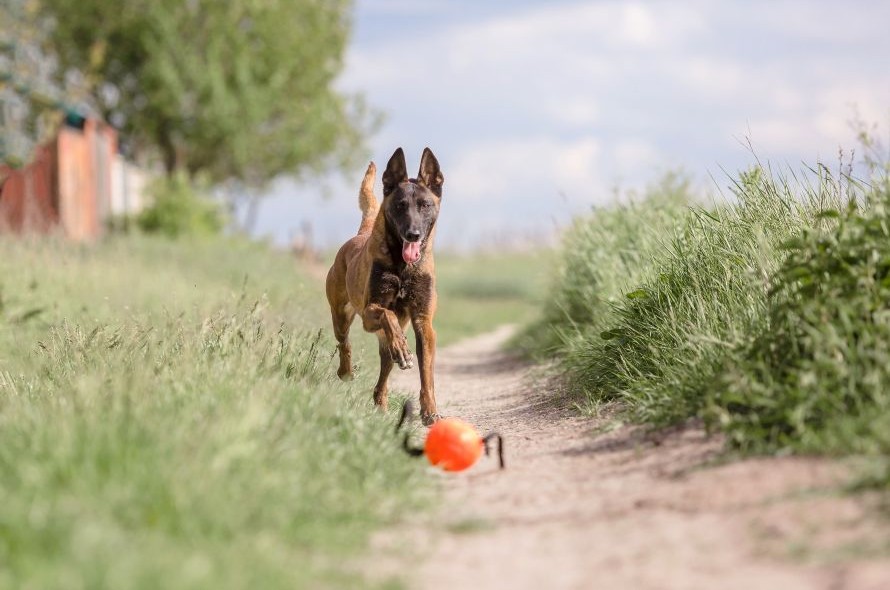
Belgian Malinois breed facts
- Life expectancy: 12 to 14 years
- Size: Medium to large (22 to 30kg)
- Daily care needs: Very high
- Exercise needs: Very high
- Training needs: Very high
- Costs: Higher training, insurance and equipment costs than most breeds
Are you the right match for a Belgian Malinois?
Belgian Malinois are extraordinary dogs with a long history of police, military and protection work. They’re fast, clever and intensely driven. This makes them brilliant partners for experienced and committed handlers, but challenging pets for most households.
If you’re thinking about buying a Malinois puppy or adopting a rescue, it’s important to understand what day‑to‑day life with this breed is really like. A Malinois isn’t just a pet – it’s a lifestyle.
Belgian Malinois temperament
Malinois are known for their intelligence, loyalty and intensity. They learn fast, respond well to structure and thrive when they have a clear job to do. Without this, they can become frustrated, mouthy or reactive.
Common traits include:
- High energy and stamina
- Very driven – need a job to do
- Natural guarding instincts
- Quick learning and quick reactions
- Sensitivity to changes in routine.
These traits aren’t flaws – they’re part of what makes the breed so capable. But they do mean Malinois need more time and training than most dogs.
Are Belgian Malinois good family dogs?
Malinois can be affectionate and bond strongly with their people, but they’re rarely an easy family pet. Their guarding instincts and need for stimulation can be overwhelming in busy homes.
A Malinois may suit you if:
- You have experience with high‑drive working breeds
- You enjoy daily training and structured exercise
- You can dedicate time to teaching them to settle
- You have time for long walks, games and activities
- You can provide them with professional support
- You live in a calm, secure home with plenty of space
- You’re confident managing guarding behaviour.
They’re usually not suitable for first‑time owners, small flats or households with young children.
Belgian Malinois behaviour challenges
It’s normal for Malinois to show behaviours that feel 'too much' for the average home. Understanding these early helps you plan ahead.
Biting and mouthing
Malinois puppies are known for intense mouthing. This isn’t aggression – it’s part of their working heritage. They need safe outlets, redirection and structured training from day one.
Reactivity
Some Malinois can become reactive to dogs, people or changes in their environment. Small triggers can feel big to them.
Guarding instincts
Malinois are naturally protective. This can turn into resource guarding or territorial behaviour without careful training.
High arousal
They can go from calm to excited in seconds. This makes impulse control training and predictable routines essential.
What daily care does a Belgian Malinois need?
Malinois need hands‑on, everyday support to stay happy and healthy.
- At least two hours of exercise, including structured walks and controlled off‑lead time
- Daily mental stimulation through training, scent games or puzzle feeders
- A secure garden with high fencing
- Regular training sessions with positive reinforcement
- Calm decompression time after exercise
- Close monitoring of behaviour changes.
Most Malinois also benefit from working with a qualified trainer or behaviourist throughout their lives.
Not sure you could meet a Belgian Malinois’ needs? Try Woodgreen's Pet Explorer Tool to find out what breed is right for you.
Exercise and enrichment
Malinois aren’t just energetic – they’re athletes. They need more than long walks. High‑intensity play can also increase arousal and make behaviour harder to manage if their only outlet.
Good activities include:
- Agility or canicross
- Scent work
- Obedience training
- Fetch with rules
- Tracking games.
Consider the activities that interest you and suit your lifestyle. Local trainers or clubs can help you get started.
How much a Belgian Malinois costs
Owning a Malinois is a long‑term financial commitment. The RSPCA estimates general dog ownership costs for similar breeds at £93 to £314 a month.
You’ll need to budget for:
- Higher insurance costs for active breeds
- Professional training or behaviour support
- Secure fencing or specialist equipment
- High‑quality food to support their activity levels
- Regular vet visits.
Living with a Belgian Malinois
Time alone
Malinois bond strongly with their people and may struggle with being left alone. You’ll need to teach this gradually and build a clear routine.
Training style
Positive, structured sessions work best. They thrive when learning but can become frustrated if training is inconsistent.
Home environment
A calm, predictable home with a secure garden suits them best. They’re not ideal for flats or busy households.
Belgian Malinois health issues
Hip and elbow dysplasia
As an active medium-to-large breed, Belgian Malinois can be prone to hip and elbow problems that may lead to arthritis later in life. Watch for signs such as stiffness, limping, difficulty getting up, reluctance to jump or use stairs, or a drop in activity levels.
Keeping them at a healthy weight and providing regular exercise can help protect their joints, and any signs of stiffness or lameness should be checked by a vet as soon as possible.
Adopt a Belgian Malinois
We often see Belgian Malinois given up to Battersea, usually because people underestimate the complexities of the breed. Adopting gives them a second chance, with our team by your side.
How to find a responsible breeder
If you’re thinking about buying a puppy, choosing a reputable breeder is essential. Responsible breeders health‑test parent dogs, socialise puppies carefully and are honest about the breed’s challenges. Ask your breeder plenty of questions about temperament and training.
Find the right breed for your lifestyle
Choosing a dog is a big decision. Woodgreen’s Pet Explorer helps you discover which breeds suit your home, routine and the relationship you want with a dog.
If you’re still deciding whether a Malinois is the right fit, it’s a great place to start.

Veterinary Clinic Team
Battersea’s Veterinary Team are skilled vets and nurses who care for thousands of dogs and cats each year. They provide check‑ups, vaccinations and routine and complex surgeries across our site clinics. Their expertise helps every dog and cat in our care get the best possible treatment. Read more about the team

Canine Behaviour team
Battersea’s Canine Animal Behaviour Team are experts in dog behaviour and welfare. The team is made up of trained professionals with decades of combined experience. They specialise in assessing, rehabilitating and supporting dogs using positive, evidence-based methods.
Their trusted guidance helps owners understand behavioural challenges and build stronger relationships. They make sure Battersea remains a leading voice in canine behaviour and welfare. Read more about the team