Learn what to expect from owning a German Shepherd, including temperament, exercise, shedding, health issues and costs.
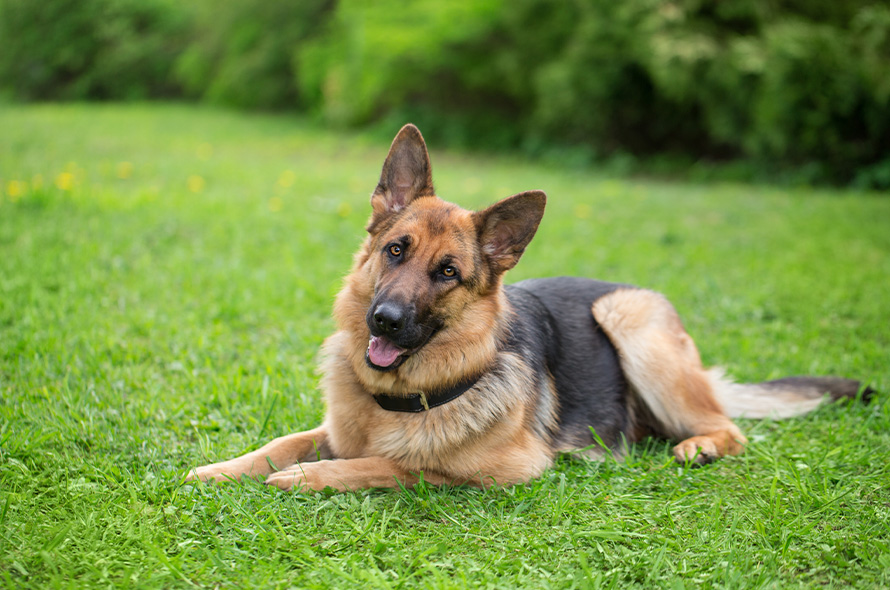
German Shepherd Breed Facts
- Life expectancy: Around 10 years
- Size: Large (30kg to 45kg)
- Daily care needs: High – regular grooming for heavy shedding, plus consistent training and socialisation from puppyhood
- Exercise needs: High – 60 to 90 minutes a day
- Costs: Ongoing vet care for hip dysplasia and higher food costs due to their size
Are you the right match for a German Shepherd
German Shepherds (sometimes called Alsatians) are intelligent, loyal dogs. They bond deeply, often with one main person. They take their role as family guardian seriously, so need consistent training and socialisation from an early age to avoid becoming overly protective.
This breed suits someone with time and flexibility, especially early on. They’re not usually the easiest fit for first-time owners or young families.
Temperament and behaviour
German Shepherds are eager to learn which makes them highly trainable. They’re also intelligent dogs that can become frustrated easily. Recall, lead walking and problem-solving games are good places to start channelling their energy positively.
German Shepherds were bred to notice and respond to changes in their surroundings, so they're often more alert than other breeds. This can mean they're more likely to bark at unfamiliar sights, sounds or people. Early socialisation can help them feel more comfortable in new situations, but owners should be prepared for a dog that likes to make its presence known.
Putting lots of time into training in the first couple of years can be the difference between having a fulfilling and enjoyable relationship with them and having a dog that struggles with new experiences.
Attachment and being left alone
German Shepherds bond deeply and often form their strongest attachment to one particular person. Away from that person, they can seem like a different dog – more unsettled, or less confident than usual.
Many find it hard to be left, so it's important to help them get used to time on their own from an early age. Without the right training and support, they're more likely to develop separation-related behaviours.
Not sure a German Shepherd matches your lifestyle? Try Woodgreen's Pet Explorer Tool to find out what breed is right for you.
Socialisation and other dogs
German Shepherds have a shorter socialisation window than some breeds. Regular, positive experiences with other dogs from a young age matter. Without this, they can become over excited or frustrated around unfamiliar dogs. Choosing calm, friendly dogs as role models can help build these skills at any age.
Are German Shepherds working dogs?
German Shepherds can come from working or companionship lines. Working lines are selected for their sensitivity and bred for roles like police work, search and rescue, or protection. Companionship lines are more suited to be household pets.
If you're considering a puppy, ask breeders what their dogs are bred and trained for. Working-line German Shepherds usually need more structure and purpose than a typical family home can offer.
I’d read that the breed was loyal and confident, so I was surprised how fearful and anxious my first Shephard, Spritzi, was. I’ve since learned that anxiety is very common in Shepherds and this can show itself in reactive behaviour towards people and dogs.
German Shepherd health issues
Bone, muscle and joint problems
German Shepherds are at a higher risk of hip dysplasia and elbow dysplasia than some other breeds. This is when the joins are abnormal and can lead to arthritis and ongoing pain.
Bone and joint problems need lifelong management and treatment. This can include regular vet visits and medication to manage mobility, pain and quality of life. Expensive surgery or hydrotherapy and physiotherapy may also be needed.
Ear and skin disease
German Shepherds can develop itchy, irritated or sore ears and skin, often caused by underlying allergies. They can also develop anal furunculosis, a painful condition that causes sores around their bottom.
These are usually lifelong conditions. Allergies can be managed but not cured, so dogs need regular vet check-ups and trial treatments to keep symptoms under control.
Epilepsy
Epilepsy, which causes seizures, is more common in German Shepherds than in some other breeds. There's often no clear cause, but diagnosing and managing the condition can be complex and costly. Treatment often involves lifelong medication, and some dogs may continue to have seizures despite treatment.
Digestive issues
German Shepherds can experience short and long-term digestive issues and food sensitivities. They can also develop gastric bloat and twisted stomach, a life-threatening emergency needing urgent treatment. These conditions can mean large one-off bills as well as ongoing costs.
Canine degenerative myelopathy
This is a degenerative neurological disease that leads to muscle weakness, loss of co-ordination, mobility problems and incontinence. There's no specific treatment, and in later stages it can affect quality of life significantly.
German Shepherds are susceptible to several common health issues, which can impact their wellbeing. Owners may need to dedicate time and financial resources to managing these conditions.
Grooming and shedding
German Shepherds shed heavily, all year round, and need regular brushing to manage it. Expect fur on your furniture, clothes and floors – this isn't just a seasonal thing.
Costs to consider
Owning a German Shepherd is a long-term financial commitment, with health conditions common to the breed potentially leading to high vet bills. RSPCA estimate costs of £93 - £314 a month.
How to find a German Shepherd responsibly
Choose a breeder who health-tests both parent dogs, including hip and elbow screening. Ask your breeder about the dog’s lineage and whether they’ve been bred through working or companionship lines.
Adopt a German Shepherd
People often underestimate the complexities of the breed, which is why they’re often given up. Adopting gives them a second chance, with our team by your side.
Find the right breed for your lifestyle
Choosing a dog is a big decision. Woodgreen's Pet Explorer helps you discover which breeds suit your home and routine, in just a few minutes.

Canine Behaviour team
Battersea’s Canine Animal Behaviour Team are experts in dog behaviour and welfare. The team is made up of trained professionals with decades of combined experience. They specialise in assessing, rehabilitating and supporting dogs using positive, evidence-based methods.
Their trusted guidance helps owners understand behavioural challenges and build stronger relationships. They make sure Battersea remains a leading voice in canine behaviour and welfare. Read more about the team

Veterinary Clinic Team
Battersea’s Veterinary Team are skilled vets and nurses who care for thousands of dogs and cats each year. They provide check‑ups, vaccinations and routine and complex surgeries across our site clinics. Their expertise helps every dog and cat in our care get the best possible treatment. Read more about the team