Learn what to expect when owning a French Bulldog, including common health issues, costs, behaviour and care needs.
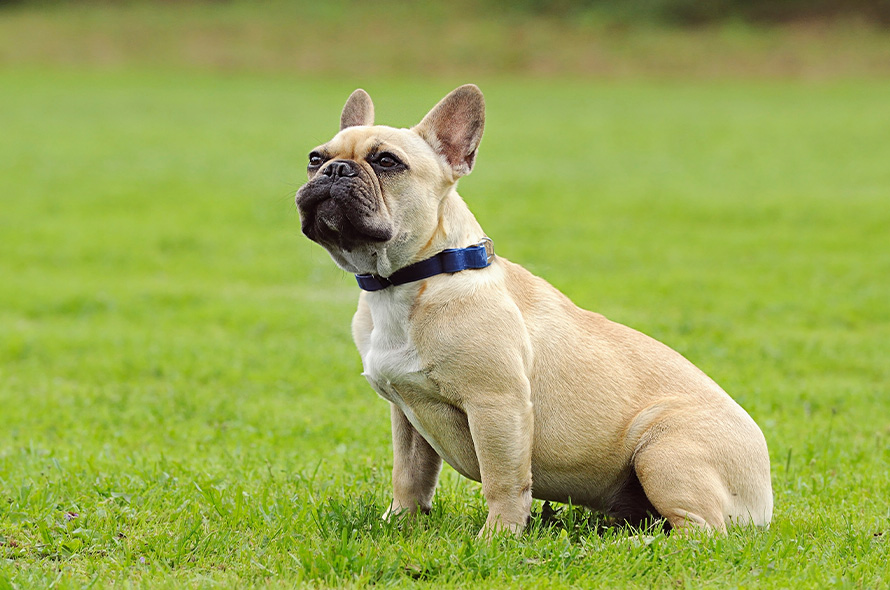
French Bulldog Breed Facts
- Life expectancy: 4 to 10 years
- Size: Small (9 to 13kg)
- Daily care needs: High, due to higher risk of breathing, skin and mobility issues
- Exercise needs: Medium
- Training needs: Medium
- Costs: High, if treatment needed for common health issues
Are you the right match for a Frenchie?
French Bulldogs are one of the UK’s most popular breeds, known for their expressive faces, affectionate nature and big personalities. However, their health issues can lead to significant costs to both dogs and owners which is why they’re often given up.
Whether you’re thinking about buying a French Bulldog puppy or adopting a rescue, it’s important to understand what day‑to‑day life with this breed is really like.
French Bulldog Health Issues
Health is the biggest challenge for most French Bulldog owners. Many Frenchies need more intensive veterinary care than many other breeds, with some conditions requiring lifelong treatment and monitoring. This can shorten their lives and affect their day-to-day wellbeing.
Breathing issues
French Bulldogs commonly suffer from brachycephalic obstructive airway syndrome (BOAS), a condition caused by their flat faces and narrowed airways. This can make breathing difficult and affect almost every part of their daily life. Dogs may overheat, tire quickly, struggle with exercise or find it hard to breathe even when resting.
Surgery can help some dogs breathe more comfortably, but BOAS cannot be cured and many dogs need ongoing veterinary care throughout their lives. This can have a serious impact on a dog's wellbeing and can be both emotionally and financially challenging for owners.
Spinal problems
French Bulldogs are at high risk of a spinal condition called intervertebral disc disease (IVDD). A slipped disc can cause pain, paralysis, or problems with walking and toileting.
Diagnosing and treating IVDD often requires specialist imaging and surgery, and some dogs are left with ongoing disabilities or chronic pain despite treatment.
Skin and ear issues
French Bulldogs are prone to skin allergies, which can cause ongoing itching, discomfort and skin infections. Their skin folds can also trap moisture and bacteria, leading to sore, painful areas around the face and tail.
These conditions often need lifelong management. This can include medication, regular skin care, dietary trials and ongoing veterinary support.
Joint and mobility issues
Hip and knee problems are common in French Bulldogs and can affect how comfortably they move and exercise. Some dogs may need surgery, alongside ongoing treatments such as physiotherapy, hydrotherapy or medication.
These conditions can lead to pain and arthritis and often need long-term management and regular veterinary care.
Eye problems
French Bulldogs can be prone to a range of eye problems because their eyes are more exposed than other breeds. Conditions such as dry eye, poorly fitting eyelids, or eyelashes and skin rubbing against the eye can cause discomfort, painful ulcers and, in some cases, loss of vision.
Eye problems can worsen quickly and may need urgent veterinary treatment or surgery. Some dogs also need lifelong medication and ongoing care to keep their eyes healthy.
French Bulldogs can face a range of serious, often expensive health problems, which can be upsetting. You’ll need to understand the issues they may be at risk of.
What daily care does a French Bulldog need?
French Bulldogs need hands-on, everyday care and attention to stay comfortable.
- Check skin folds and paws regularly for signs of redness or infection.
- Check ears often for any smell, discharge or irritation.
- Monitor for laboured breathing, excessive panting or struggling to keep up, especially during walks and play.
- Keep them cool to avoid heat stroke, whether at home or out and about.
- Maintain a healthy weight to reduce risk of health issues.
Not sure you could meet a French Bulldog's needs? Try Woodgreen's Pet Explorer Tool to find out what breed is right for you.
How much a French Bulldog costs
Owning a French Bulldog is a long-term financial commitment with RSPCA estimating a cost of £77 – £327 a month. You'll need to budget for higher insurance, vet and surgery costs due to common health issues.
Living with a French Bulldog
Frenchies are affectionate, people‑focused dogs who thrive on company.
Separation anxiety
You’ll need to teach your Frenchie how to cope with being left alone. Without training, they may bark, chew or become distressed. A clear routine and gradual separation training are essential.
Exercise and enrichment
French Bulldogs can overheat or tire quickly. You’ll need to watch their breathing and avoid hot or very cold weather.
When their exercise is limited due to their health or weather, daily mental stimulation is vital. Food puzzles, trick training, and short play sessions help keep them happy and prevent frustration.
Training style
Frenchies can be stubborn but intelligent. Short, positive training sessions help them stay engaged.
Adopt a French Bulldog
Adopting from rescue can give a French Bulldog a fresh start. It's also a great way to avoid adding to the demand for pets with extreme characteristics like flat faces. At Battersea, you’ll have a team by your side to help you find the dog that truly fits your life.
If you're unable to adopt, choose a breeder who prioritises health over exaggerated features, and who can show health testing for breed health conditions. Some breeders are now working to breed French Bulldogs with slightly longer noses to ease breathing, though this remains uncommon.
Find the right breed for your lifestyle
Choosing a dog is a big decision. Woodgreen's Pet Explorer helps you discover which breeds suit your home and routine, in just a few minutes.

Veterinary Clinic Team
Battersea’s Veterinary Team are skilled vets and nurses who care for thousands of dogs and cats each year. They provide check‑ups, vaccinations and routine and complex surgeries across our site clinics. Their expertise helps every dog and cat in our care get the best possible treatment. Read more about the team

Canine Behaviour team
Battersea’s Canine Animal Behaviour Team are experts in dog behaviour and welfare. The team is made up of trained professionals with decades of combined experience. They specialise in assessing, rehabilitating and supporting dogs using positive, evidence-based methods.
Their trusted guidance helps owners understand behavioural challenges and build stronger relationships. They make sure Battersea remains a leading voice in canine behaviour and welfare. Read more about the team