Learn what to expect from owning a Pug, including temperament, health issues, grooming and costs.
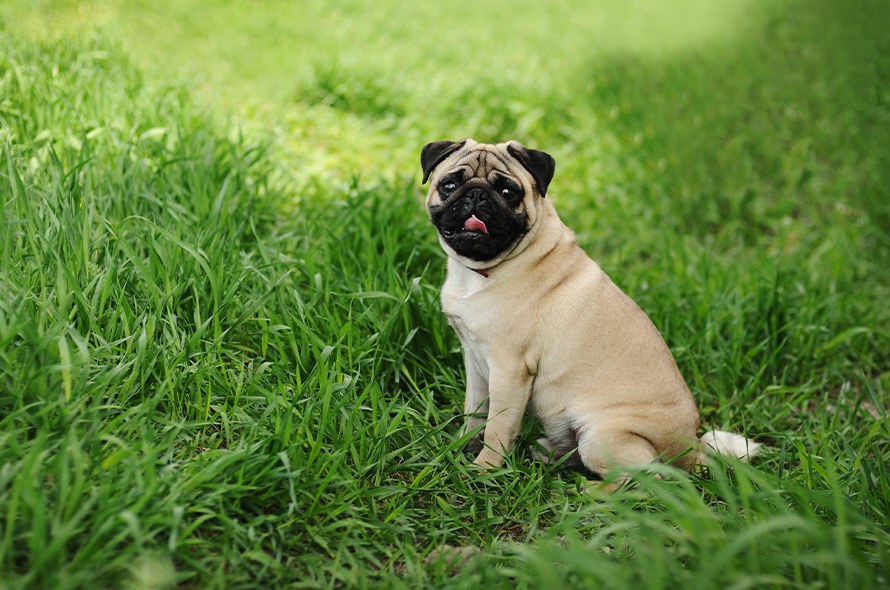
Pug Breed Facts
- Life expectancy: 7-9 years
- Size: Small (6kg to 8kg)
- Daily care needs: High – close monitoring of breathing, skin folds and weight
- Exercise needs: Low to moderate, depending on health
- Costs: High – costly vet visits, and potential surgery for breed-related health conditions
Are you the right match for a Pug?
Pugs are quirky, affectionate dogs that can be great companions.
Their flat faces may look cute, but they come with serious health problems that affect breathing, exercise and quality of life. This is one of the reasons Pugs are often given up for rescue. You'll need to weigh up considerable medical costs and ongoing care alongside the breed's charm.
Whether you’re thinking about buying a puppy or adopting a rescue, it’s important to understand what day‑to‑day life with this breed is really like.
Pug health issues
Health is the biggest challenge for most Pug owners. Many Pugs need more intensive veterinary care than many other breeds, with some conditions requiring lifelong treatment and monitoring.
Responsible ownership means understanding these risks upfront, budgeting for significant vet costs, and choosing a breeder who prioritises health over exaggerated features.
Breathing issues (BOAS)
Pugs' flat faces can cause serious breathing problems that cause distress or discomfort. This is called Brachycephalic Obstructive Airway Syndrome (BOAS). Their narrowed airways make it harder to breathe, exercise and cope with hot weather, increasing the risk of heatstroke and collapse. Surgery can help some pugs breathe more easily, though it doesn't improve quality of life for every pug.
Spinal disease (IVDD)
Pugs are at high risk of intervertebral disc disease (IVDD), where a slipped disc puts pressure on the spinal cord. This can cause pain, paralysis, or problems with walking and going to the toilet. Treatment often involves significant costs and time, including intensive nursing, physiotherapy or emergency surgery.
Ear and skin issues
Pugs can develop itchy, irritated or sore ears and skin, often caused by underlying allergies. The wrinkly skin (skin folds) around the face and tail can trap dirt and moisture which lead to painful infections. These are usually lifelong conditions. Allergies can be managed but not cured, so pugs need regular vet check-ups, trial treatments and sometimes medicated baths. In extreme cases, surgery is needed to remove excess skin.
Bone, muscle and joint conditions
Some pugs can develop problems affecting their bones, muscles or joints, including hip dysplasia (abnormal hip joint) and patella luxation (kneecap dislocation). These can occur from an early age and cause varying degrees of pain and arthritis over time. Treatment needs lifelong care, including regular vet visits and medication, with surgery or hydrotherapy and physiotherapy sometimes needed.
Eye disease
Pugs' flat faces and prominent eyes can lead to dry or irritated eyes, which can become painful, infected or cause long-term damage. Treatment can include regular monitoring, cleaning, eye drops and vet visits, with further treatment sometimes needed in more serious cases.
Teeth issues
Because of their face shape, pugs can be prone to dental overcrowding, where too many teeth compete for space in the mouth. Regular tooth brushing helps. Some pugs still need multiple dental procedures throughout their life to stay pain and infection free.
Pugs can face a range of serious health problems, which can be expensive and upsetting. You'll need to understand the issues they may be at risk of.
Temperament and behaviour
Pugs are loving, sociable dogs who thrive on company. Many are laid back, a trait linked to generations of breeding as companion lapdogs. It's important to gradually teach them to spend time alone from an early age to help prevent separation-related problems from developing.
Because of their flat faces, mental stimulation matters as much as physical exercise. Puzzle feeders and short training sessions help keep pugs engaged without overheating or tiring them out. Some toys, treats and chews may not be flat face friendly, so it's important to choose safe, accessible ways to keep them entertained and engaged.
They generally get on well with other dogs, although other dogs can sometimes find their flat faces hard to read.
Not sure you could meet a Pug's needs? Try Woodgreen's Pet Explorer Tool to find out what breed is right for you.
Pugs enjoy spending time with their owners. They can be strong-willed little dogs with buckets of personality, but struggle with longer walks, exercise and warmer weather.
Exercise, heat and weight
Pugs' breathing problems can make exercise more challenging, especially in hot weather. Owners may need to adjust walking times and daily routines to keep their dog comfortable.
Although they can seem low-energy, not getting enough exercise can lead to weight gain and further health issues. Keeping a close eye on portion sizes and weight matters. Extra weight puts more strain on breathing and joints already under pressure.
Costs to consider
Owning a Pug is a significant financial commitment, and health-related costs can be higher than for many breeds. It's worth choosing a higher level of insurance cover than you might expect to need, since breathing, skin and joint treatments can add up quickly. RSPCA estimates costs of £62 - £221 a month, in addition to specific health treatments.
Adopt a pug
Adopting a pug is the best way to source one ethically, without contributing to the demand for extreme characteristics like flat faces.
Pugs can suit first-time owners who are genuinely prepared for the medical side of ownership. We often see Pugs given up to Battersea, usually because people underestimated the level of medical care involved. Our team can help you find the right match and prepare you for ownership.
If you're unable to adopt, choose a breeder who prioritises health over exaggerated features, and who can show health testing for breed health conditions. Some breeders are now working to breed pugs with slightly longer noses to ease breathing, though this remains uncommon.
Find the right breed for your lifestyle
Choosing a dog is a big decision. Woodgreen's Pet Explorer helps you discover which breeds suit your home and routine, in just a few minutes.
Veterinary Clinic Team
Battersea’s Veterinary Team are skilled vets and nurses who care for thousands of dogs and cats each year. They provide check‑ups, vaccinations and routine and complex surgeries across our site clinics. Their expertise helps every dog and cat in our care get the best possible treatment. Read more about the team

Canine Behaviour team
Battersea’s Canine Animal Behaviour Team are experts in dog behaviour and welfare. The team is made up of trained professionals with decades of combined experience. They specialise in assessing, rehabilitating and supporting dogs using positive, evidence-based methods.
Their trusted guidance helps owners understand behavioural challenges and build stronger relationships. They make sure Battersea remains a leading voice in canine behaviour and welfare. Read more about the team