Learn what to expect from owning a Siberian Husky, including temperament, exercise, shedding, health issues and costs.
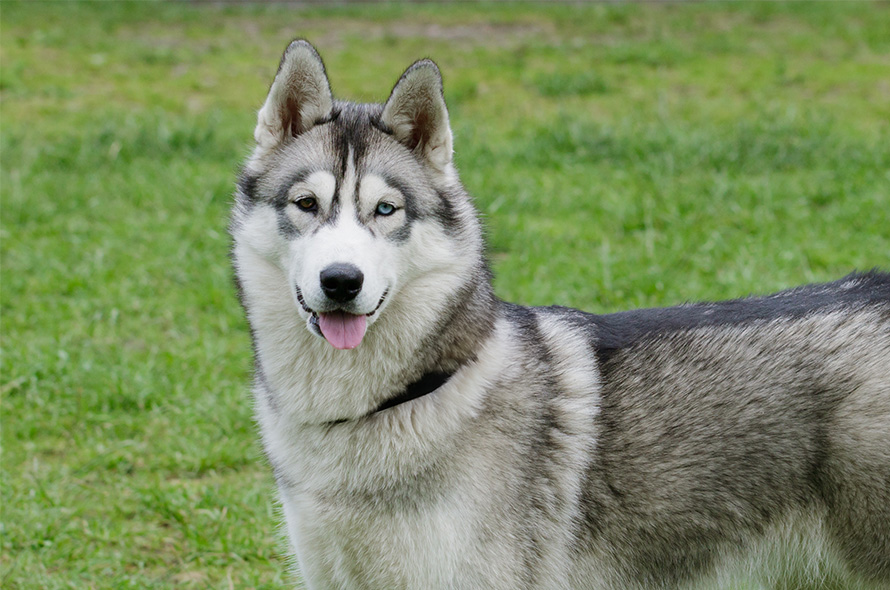
Husky Breed Facts
- Life expectancy: 8 to 12 years
- Size: Large (25kg to 45kg)
- Daily care needs: High – heavy shedding indoors, regular grooming, and consistent training
- Exercise needs: High – around two hours a day, plus secure outdoor space
- Costs: Ongoing vet care
Are you the right match for a Husky?
Huskies are striking, independent and full of personality. They suit people who love the outdoors and have time for daily exercise and training.
They can be quite vocal, so you'll need to be prepared to live with a chatty dog. While their appearance looks cuddly, they’re not the most affectionate – if you're after cuddles on demand, they might not be for you.
They're not usually the easiest fit for first-time dog owners or people living in small flats without outside space.
Temperament and behaviour
Huskies are intelligent and independent, which can make training tricky. They have a strong prey drive and a mind of their own which can make recall a particular challenge.
They can also be aloof, especially with strangers, and don't always want physical affection on demand. They're often happy to be around you, but on their own terms.
Many Huskies go through a mouthy phase in adolescence. They can also become destructive if they don't get enough exercise or mental stimulation.
Huskies can be great for active owners with plenty of time each day for their dog – especially runners or hikers. They can be strong willed, so starting training early is important.
Do Huskies bark and howl a lot?
Huskies are vocal dogs, and love to howl, bark and "talk" to express themselves. It's often endearing at first. But it's worth thinking honestly about whether you and your neighbours can live with it long-term. Training a Husky to be quieter can be difficult.
Are Huskies good with other dogs?
Huskies can be very social, but their play style is often energetic and physical, with lots of chasing, mouthing and pawing. This can put other dogs off.
They're also quick to make their feelings known if they're unhappy. This can affect how they get on with other dogs. Early experiences and socialisation play a big part in shaping how comfortable they are around others.
Escaping, recall and space
Huskies are notorious escape artists, skilled at digging under, jumping over or squeezing through weak spots in fencing. You need to have secure boundaries and commit to recall training since their instinct to run can easily override it.
Huskies aren't usually suited to flats. They tend to enjoy spending time outdoors and often prefer cooler environments, so they need access to a secure outdoor space.
Can Huskies be left alone?
Huskies can struggle with being left and are prone to destructive behaviour or escape attempts if bored or under-exercised. This isn't usually about separation anxiety specifically. It's more about a high-energy dog with too much unspent energy and time on their paws.
Not sure you could meet a Husky's needs? Try Woodgreen's Pet Explorer Tool to find out what breed is right for you.
I thought I’d need to walk miles a day with a Husky, but after forty-five minutes running around the park, Koda wants to sleep. They’re quite a stubborn breed. If he doesn't want to do something, he won’t.
Husky health issues
Epilepsy
Epilepsy, which causes seizures, is commonly seen in Huskies. The cause is often unknown, but affected dogs can still need extensive testing and long-term treatment. Medication can be a lifelong cost, and sometimes seizures can't be fully controlled.
Bone and joint conditions
Huskies can develop problems affecting their bones or joints, including hip dysplasia. These can occur from an early age and cause varying degrees of pain and arthritis over time. This is managed with regular medication and vet check-ups and can be a life-limiting condition.
Cruciate disease
Huskies can experience damage to their knee ligaments, causing limping and pain. Specialist surgery is usually needed, followed by careful recovery, which can be expensive, time-consuming and challenging for an active dog.
Eye problems
Huskies are more likely to develop glaucoma, a painful build-up of pressure in the eye, as well as cataracts. Treatment can include medication or surgery, and ongoing vet visits can be costly.
Huskies are susceptible to several common health issues, which can impact their wellbeing. Owners may need to dedicate time and financial resources to managing these conditions.
Grooming and shedding
Huskies have a thick, dense double coat that sheds heavily in warm environments, especially during seasonal "blowouts" when they lose their undercoat. You can expect fur around the home for most of the year. Regular brushing and professional grooming helps manage this.
Costs to consider
Owning a Husky is a long-term financial commitment, with health conditions common to the breed potentially leading to high vet bills. RSPCA estimate costs of £93 - £314 a month.
How to find a Husky responsibly
Choose a breeder who health-tests both parent dogs, including screening for hip dysplasia and eye conditions, and can talk honestly about temperament in their lines.
Adopt a Husky
People often underestimate the complexities of the breed, which is why they’re often given up. Adopting gives them a second chance, with our team by your side.
Find the right breed for your lifestyle
Choosing a dog is a big decision. Woodgreen's Pet Explorer helps you discover which breeds suit your home and routine, in just a few minutes.

Canine Behaviour team
Battersea’s Canine Animal Behaviour Team are experts in dog behaviour and welfare. The team is made up of trained professionals with decades of combined experience. They specialise in assessing, rehabilitating and supporting dogs using positive, evidence-based methods.
Their trusted guidance helps owners understand behavioural challenges and build stronger relationships. They make sure Battersea remains a leading voice in canine behaviour and welfare. Read more about the team

Veterinary Clinic Team
Battersea’s Veterinary Team are skilled vets and nurses who care for thousands of dogs and cats each year. They provide check‑ups, vaccinations and routine and complex surgeries across our site clinics. Their expertise helps every dog and cat in our care get the best possible treatment. Read more about the team