Learn what to expect when owning a Lurcher, including temperament, exercise needs, prey drive, health considerations and costs.
Lurcher breed facts
- Life expectancy: 12 to 15 years
- Size: Medium to large
- Exercise needs: Moderate, but varies between dogs
- Training needs: Medium
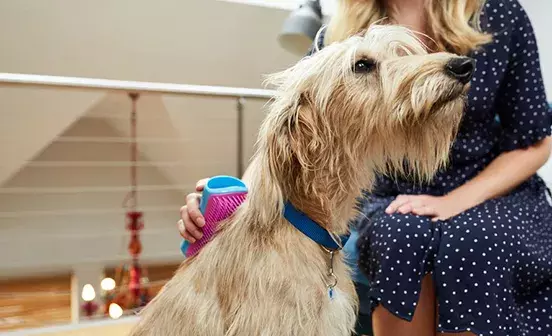
- Grooming: Usually low maintenance
- Costs: Average
Are you the right match for a Lurcher?
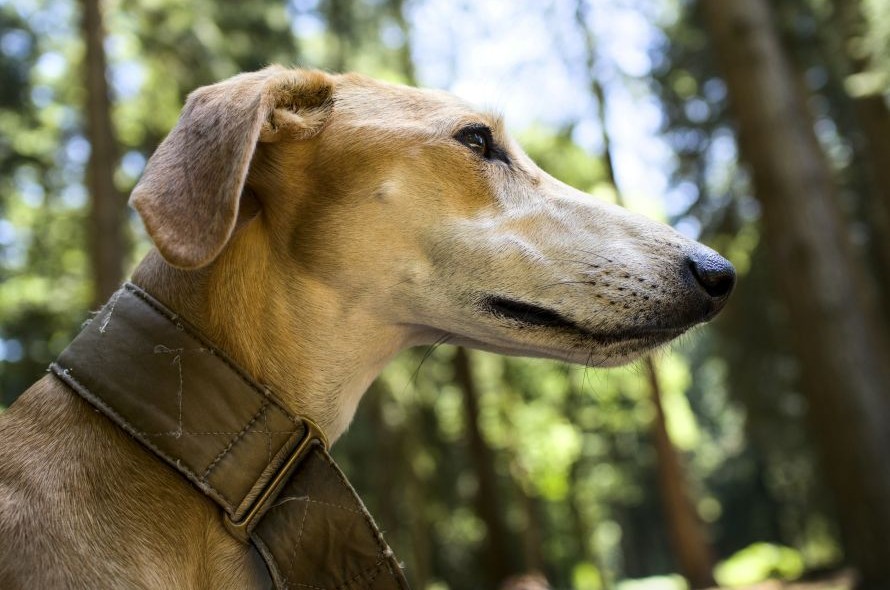
Lurchers are a type of dog created by crossing a sighthound, such as a Greyhound, Whippet or Saluki, with another breed like a Collie or Terrier. This means their appearance and behaviour can vary significantly.
Some Lurchers are calm and easy-going while others are more energetic.
Living with a Lurcher
Prey drive and behaviour
Many Lurchers have a strong instinct to chase moving animals. This prey drive is linked to their sighthound heritage and can be one of the biggest factors affecting day-to-day life with the breed.
For some dogs, chasing can become highly rewarding, making it harder for them to focus on their owner or surroundings. This may mean they need careful management around wildlife and other animals, and some may only be able to exercise off lead in secure areas. With early socialisation, training and ongoing support, many Lurchers learn to cope well and make wonderful companions.
Exercise and mental stimulation
Despite their often-athletic appearance, many Lurchers don't need excessive amounts of exercise. Most are happy with daily walks, opportunities for short bursts of energetic running and play, and plenty of time to relax at home.
Mental stimulation is just as important. Training and food-based games can help keep them engaged and prevent boredom.
Training and socialisation
Lurchers are often sensitive dogs that respond well to positive, reward-based training.
Some are naturally confident, while others can be more reserved or easily overwhelmed by unfamiliar situations. As Lurchers inherit traits from different breeds, some may be more sensitive than others and benefit from extra support to build confidence.
Some lurchers are super calm, gentle and sensitive, while others are more confident, cheeky and adventurous. The same is true of their instinct to chase: some show very little interest, while others will happily turn almost anything into a game of chase.
Are Lurchers good family dogs?
Every dog is unique and Lurchers can make wonderful family companions.
They often form close bonds with their owners and enjoy being part of family life. However, families should be prepared for a dog whose exercise and behaviour needs can vary depending on their breeding and personality.
Not sure a Lurcher is the right fit? Try Woodgreen's Pet Explorer Tool to find out what breed is right for you.
Lurcher health issues
Lurchers are generally considered healthier than many pedigree breeds, but they can still develop health conditions during their lifetime.
Joint problems
Like many medium and large dogs, some Lurchers can develop joint conditions such as arthritis as they get older. These may require ongoing veterinary treatment and pain management.
Injuries
Lurchers are built for speed, which means they're more likely to pick up strains and sprains. Their slim build, thin skin and love of running can also make cuts and scrapes more common.
Dental disease
Lurchers can be prone to dental problems because their long, narrow jaws often leave little room for their teeth. Regular dental care is important, and some dogs may need veterinary treatment to keep their teeth and gums healthy.
How much does a Lurcher cost?
Owning a Lurcher is a long-term financial commitment. RSPCA estimate dogs can cost between £93 to £298 a month, depending on their size, age and individual needs.
As well as day-to-day costs, you'll need to budget for training, brain games, and access to a secure field if you live in a built up area.
How to find a responsible breeder
If you're thinking about buying a Lurcher puppy, ask questions about the health, temperament and background of both parent dogs.
Because Lurchers can vary so much, understanding what breeds make up the cross may give you a better idea of the puppy's likely size, behaviour and exercise needs.
Responsible breeders should be happy to discuss how the puppies have been raised and answer any questions you may have.
Adopt a Lurcher
We often see Lurchers given up to Battersea, usually because people underestimate the complexities of the breed. Adopting gives them a second chance, with our team by your side.
Find the right breed for your lifestyle
Choosing a dog is a big decision. Woodgreen's Pet Explorer helps you discover which breeds suit your home and routine, in just a few minutes.

Veterinary Clinic Team
Battersea’s Veterinary Team are skilled vets and nurses who care for thousands of dogs and cats each year. They provide check‑ups, vaccinations and routine and complex surgeries across our site clinics. Their expertise helps every dog and cat in our care get the best possible treatment. Read more about the team

Canine Behaviour team
Battersea’s Canine Animal Behaviour Team are experts in dog behaviour and welfare. The team is made up of trained professionals with decades of combined experience. They specialise in assessing, rehabilitating and supporting dogs using positive, evidence-based methods.
Their trusted guidance helps owners understand behavioural challenges and build stronger relationships. They make sure Battersea remains a leading voice in canine behaviour and welfare. Read more about the team