Toilet training made simple: clear steps to help your puppy or dog learn where to go.
Toilet training is one of the first big lessons your puppy or dog will learn at home. With a simple routine, lots of praise and a bit of patience, most dogs make steady progress. Learn what to do and expect.
1. Spot the signs your dog needs to go
Dogs often show small clues before they need to toilet. Look for:
- pacing, circling, panting, whining or general restlessness
- sniffing the floor or lowering their body
- curving their body downwards
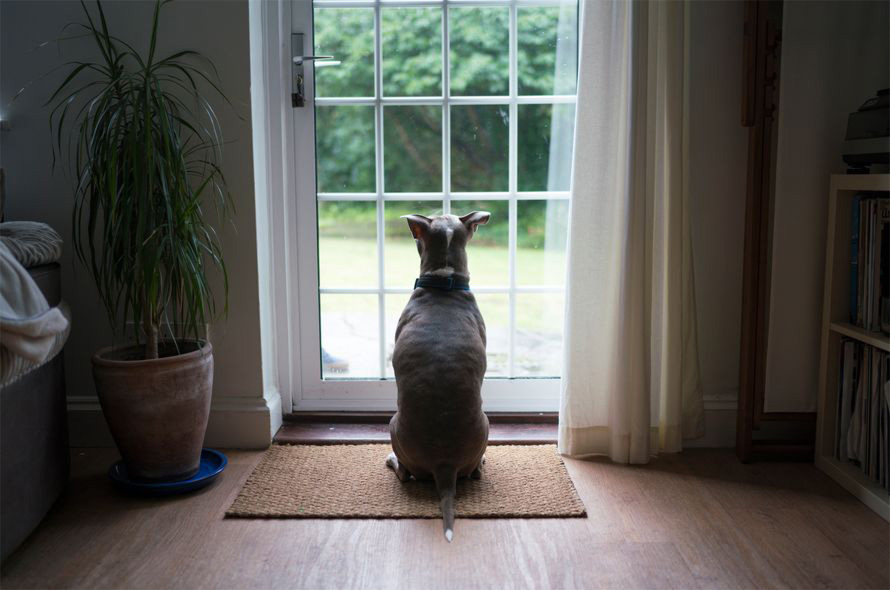
- heading towards the door
- squatting
- bottom tensing or clenching
- changes in tail posture.
If you see any of these, guide your dog outside straight away. Young puppies may need to be carried so they get there in time.
A short log for the first few days can help you spot patterns.
2. Guide your dog to the right spot
Dogs often prefer a certain surface, such as grass, gravel or soft flooring. This usually comes from what they were used to before coming home.
If you can offer the same surface, take them there often. If you’d prefer them to use a different surface, or you don’t have access to the old one, help them adjust gradually to the new surface.
Every dog is different, and switching surfaces can depend on their early experiences, confidence and the set‑up at home, so some dogs take longer than others to adjust.
Tips:
- Lift rugs or block off carpeted areas if your dog prefers soft flooring.
- If they’re used to going on walks, offer frequent outdoor breaks.
- Some dogs only toilet on or off the lead – try both to see what helps them relax.
- Use a paper towel to soak up a little of their urine when you clean up, then place that on the new surface to help mark it with their scent.
3. Build a consistent routine
Routine helps your dog understand what’s expected. Take them outside:
- As soon as they wake up
- After eating or drinking
- After play
- Before bedtime
- At regular intervals throughout the day.
Puppies need far more toilet breaks than adult dogs – often every hour at first. Their bladder and bowel muscles are still developing, so they simply can’t hold on for long. As their bodies grow and they gain better control, you can slowly build up to longer gaps between breaks, including overnight.
If you live in a flat, factor in the time it takes to reach the outdoor area. Carry young puppies to avoid accidents in corridors or lifts.
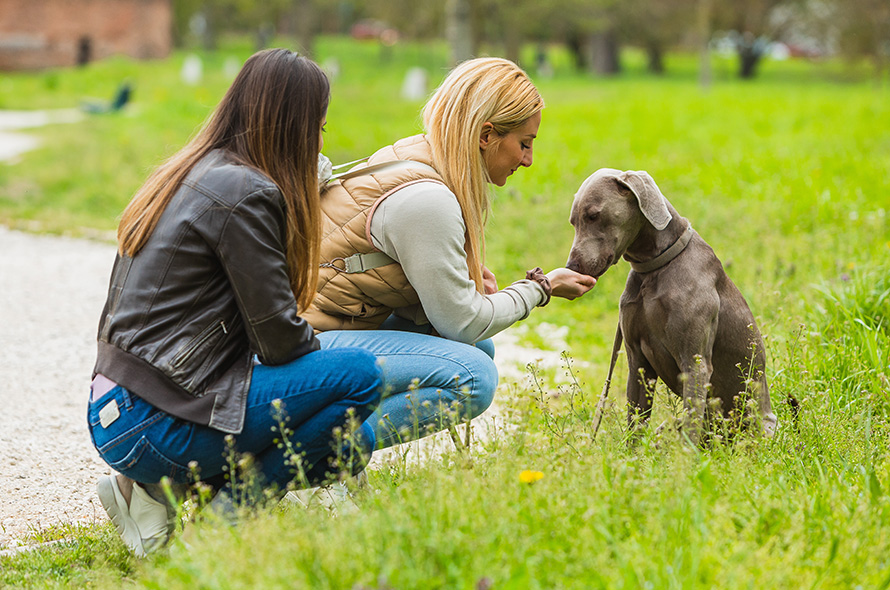
4. Reward good behaviour
When your dog toilets in the right place, praise them calmly. A gentle “good dog” and a moment of fuss is enough for most dogs.
You can also use a verbal cue like “wee wees”. Say it softly as they start to go so they learn to associate the phrase with toileting.
Avoid using treats for toileting, as some dogs may start offering little squats or pretend wees to earn a reward. If this happens, wait until they’ve fully finished before rewarding – or switch to quiet praise instead.
How long does toilet training take?
Most puppies take several weeks to learn reliable toilet habits, but every dog is different. Age, previous experiences, confidence and how consistent the routine is all play a part.
Puppies
Most puppies settle into a routine within 4–6 weeks. During this time, you’re learning their cues as much as they’re learning the rules. This early progress doesn’t mean they’re fully housetrained yet – it simply means you’ve found a rhythm that works.
True reliability usually comes later, once they’re around six months old and have better physical control. Setbacks are normal. Often it only means your puppy needs a refresher or hasn’t fully learned how to ask to go outside yet.
Adult dogs
Many adult dogs already understand housetraining and only need about a week to learn the routine in their new home. Dogs who have lived in kennels or have never been housetrained may take longer, as they’re learning a new skill and unlearning old habits at the same time.
If progress feels slow
There are many reasons why progress may stall.
Check out our tips to help with common toilet training issues
If things aren’t improving after a reasonable amount of time, check for medical issues first. If everything looks fine, a qualified trainer or behaviourist can help you get back on track.
What to do when accidents happen
Accidents are part of the process. Stay calm, clean up and avoid punishment. Telling a dog off – even after the fact – can make them worried about toileting around you. Some dogs may hide, run away or refuse to toilet near you if they feel unsure.
If it keeps happening in the same spot, block access to that area or supervise more closely until habits improve.
Cleaning tips
- Clean a slightly larger area than the visible mess to remove unseen splashes.
- Use an enzymatic cleaner or a 1:9 mix of biological washing powder and warm water.
- Avoid ammonia‑based cleaners, as they can attract dogs back to the same spot.
- Clean out of your dog’s sight so it doesn’t become a game.
When things aren’t going to plan
Toilet training doesn’t always go smoothly. If your puppy or dog is still having accidents, getting distracted outside or struggling with confidence, our troubleshooting guide can help.
Overnight toileting
Most puppies can’t hold it through the night. They may not be able to tell you they need to go out.
You can:
- Set an alarm for a quick night‑time toilet trip
- Use puppy pads overnight as a temporary option
- Remove pads during the day so training stays consistent.
As your puppy grows, you can phase pads out by moving them closer to the door, then outside, and eventually removing them.
Toilet training an older dog
Older dogs can learn just as well as puppies. Follow the same steps: clear guidance, close supervision and lots of praise.
If your dog’s habits change suddenly, speak to your vet. Age‑related issues like arthritis, muscle weakness, cognitive decline or reduced bladder control can all make holding on harder. Steps, slippery floors or long distances may also get in the way.
Tools and aids
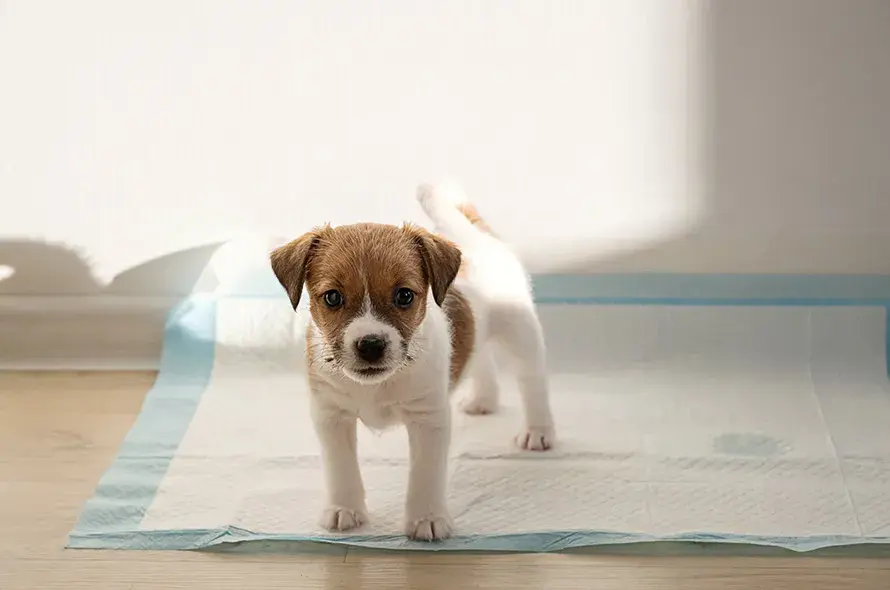
Using puppy pads
Puppy pads can help if you live in a flat, don’t have a garden or your puppy isn’t fully vaccinated. They’re most useful for short periods or overnight, but they’re not a replacement for taking your puppy outside.
How to use pads without confusing your puppy
- Choose one quiet, consistent spot for the pad (away from where they eat and sleep).
- Watch for signs they need to go and gently guide them onto the pad.
- Praise them when they get it right.
- Avoid using lots of pads around the home, as this can encourage toileting anywhere.
- Keep pads near the door if you have outside access, so it still links to going out.
Reusable pads are an option – choose one that looks and feels different from rugs or bedding so your puppy doesn’t get confused.
If you do have outside access
Pads should only be a back‑up. Keep the biggest rewards for outdoor toileting so they learn that outside is the best place to go.
How to phase pads out
Once your puppy is having fewer accidents stop replacing the pad, or move it just outside the door (if safe). Carry them out quickly when they show signs they need to go, and stay consistent – switching back and forth between pads and outdoors can slow learning.
Scent attractants and deterrents
Scent attractants can sometimes encourage a dog to toilet in a particular spot, but they’re not essential. Routine and supervision matter more.
Avoid deterrent sprays. Strong smells can encourage some dogs to mark rather than prevent accidents.
A simple alternative is placing a cloth with your dog’s urine in the desired area.
When to seek extra help
Speak to your vet if your dog:
- Has frequent accidents despite consistent training
- Suddenly becomes incontinent
- Shows increased thirst, straining or discomfort.
If medical issues are ruled out, a qualified behaviourist can help you understand what’s going on and build a plan.