
Big dogs at Battersea
Over 165 years of care means we’ve seen a lot of big dogs, each one as unique as the next.
When a dog arrives at one of our three centres, we spend time getting to know them, so we can design an individual plan that brings out the best in them.
As well as the expert care every animal at Battersea receives when they arrive, support for big dogs could include:
- extra activities for mental and physical stimulation
- a foster home for those that prefer a quieter environment
- support from specialist breed rescues
- time in our more spacious, rural centres.
Battersea even has a working dogs programme that finds placements for animals who enjoy learning and can focus on a given task. Our amazing alumni include medical detection, border control and therapy dogs, to name but a few.
Why do we love big dogs?
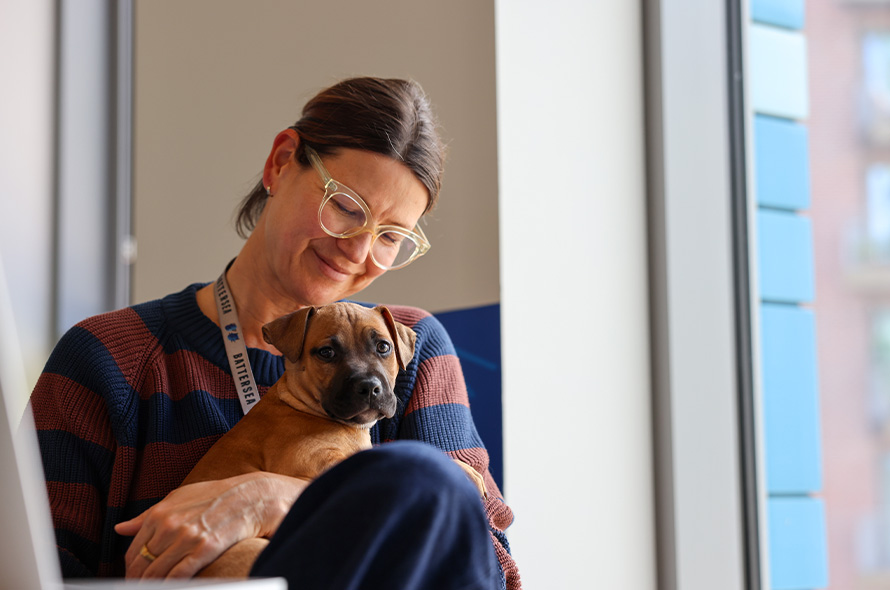
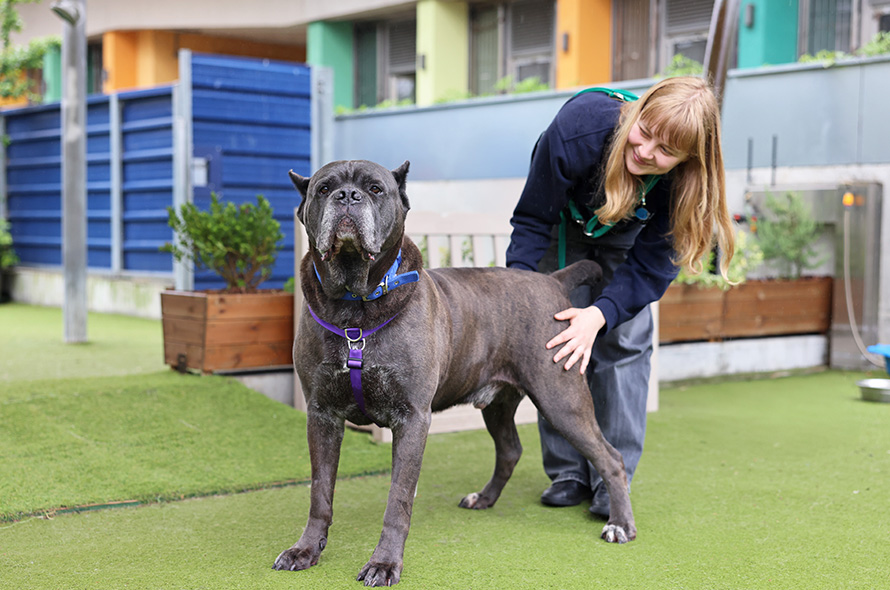
We love big dogs for so many reasons! Big dogs can be gentle, playful and goofy, but they’re often misunderstood because of their stature. Here at Battersea, we see a variety of bigger breeds at our centres including Cane Corsos, German Shepherds and Huskies.
Over the years we've learnt that they're not all made the same. Some like their independence, others are very sociable. Some would be happy lounging around all day, while others love an adventure. We just want people to see big dogs as individuals, so they don’t end up overlooking loveable characters.
Big questions
Here are some of the most frequently asked questions we see in relation to our bigger breeds.
Do big dogs need more exercise, training and food?
People often assume big dogs need a lot more exercise. And while this can be true of some breeds, others might just surprise you with their couch potato ways.
And it's the same for training. Some bigger dogs are keen to learn and love the mental stimulation, while others are easily distracted. At Battersea, we recommend positive, reward-based training for all dogs.
Big dogs are likely to need larger portions of food than their smaller counterparts. Always consult your vet or the guidance on the food packaging to make sure you're not overfeeding your pet.
Do big dogs need bigger homes?
A dog just needs to have their needs met by the home they live in, which means that a flat or smaller home is often fine. But as always, it depends on the individual animal.
Most larger dogs will need a garden, enough indoor space to feel comfortable moving about and access to a toileting area.
If you live in a flat, you'll need to be able to secure your windows and balcony, and you may need to consider the best way for your dog to access their home, e.g. via a lift or stairs.
Owners of larger dogs can keep them entertained by making sure they have enough mental and physical stimulation through activities and exercise.
Do you rehome big dogs to families with children?
We always look at the whole picture when we rehome an animal and review each one as an individual. With big dogs, we look at everything from their size and strength to temperament and welfare needs. So, while there are big dogs who would make wonderful family pets, many will need a more tailored home environment.
How easy is it to travel with a big dog?
When travelling with any animal, it's always worth checking the rules and regulations set by the individual operator. But, for the most part:
- Forward planning can help make journeys smoother.
- Even if your dog is allowed somewhere, it doesn’t mean they’ll be comfortable. Think about crowding, heat, escalators and journey times, and always try to travel in quieter periods to minimise stress for your pet.
- In cars, dogs must be safely restrained using an appropriately fitted harness, secured crate or dog guard.
- Buses, ferries and trains can all accommodate big dogs, you just need to check with the individual operator as to the conditions of travel. Coaches tend to only accept assistance dogs.
Do big dogs drool more?
Not always. Drooling is determined by the shape of an animal's mouth and lips. So, Mastiffs, Newfoundlands, Saint Bernards and Bloodhounds tend to slobber more because their facial structure allows saliva to escape more easily. It is also very normal to see drool when a dog is excited or about to be fed!
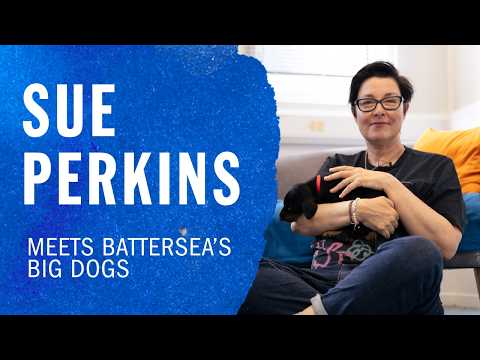
Sue Perkins meets Battersea's big dogs
Battersea Ambassador Sue Perkins recently came to visit us and chat to Ali Taylor, the Head of Canine Behaviour and Training, about our wonderful big dogs, why they can be misunderstood and the importance of seeing every dog as an individual.
Could your perfect match be bigger than you imagined?
Thinking about getting a big dog?
Here are just a few of the beautiful big dogs looking for a new home. Discover more dogs, big and small, who are ready to be loved.
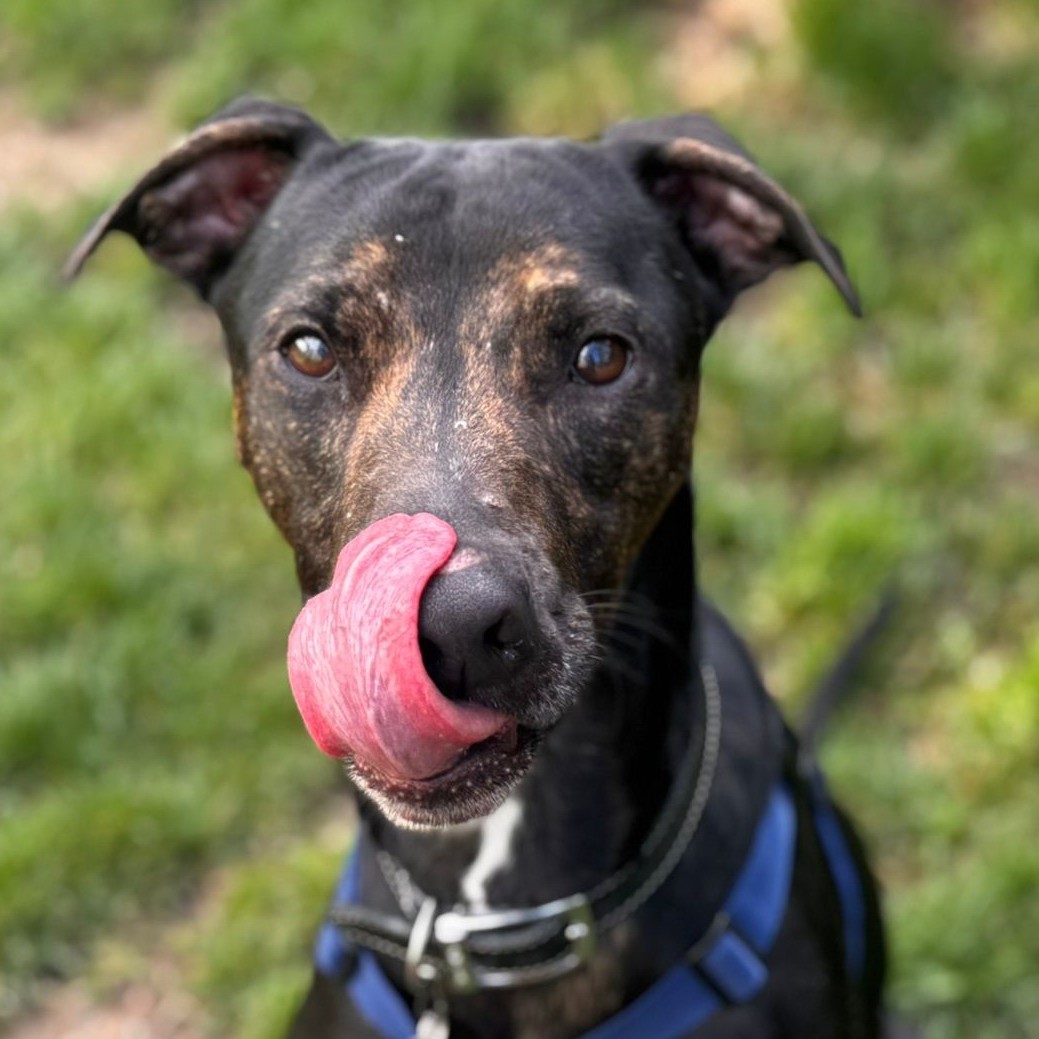
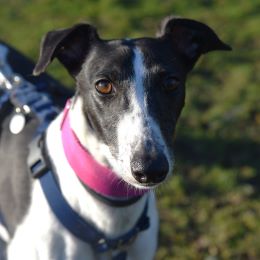
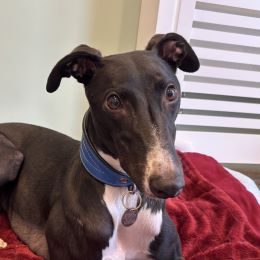
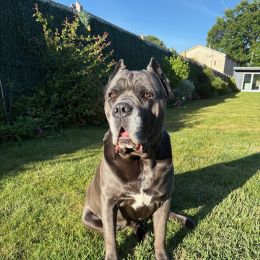
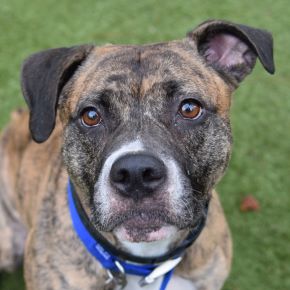
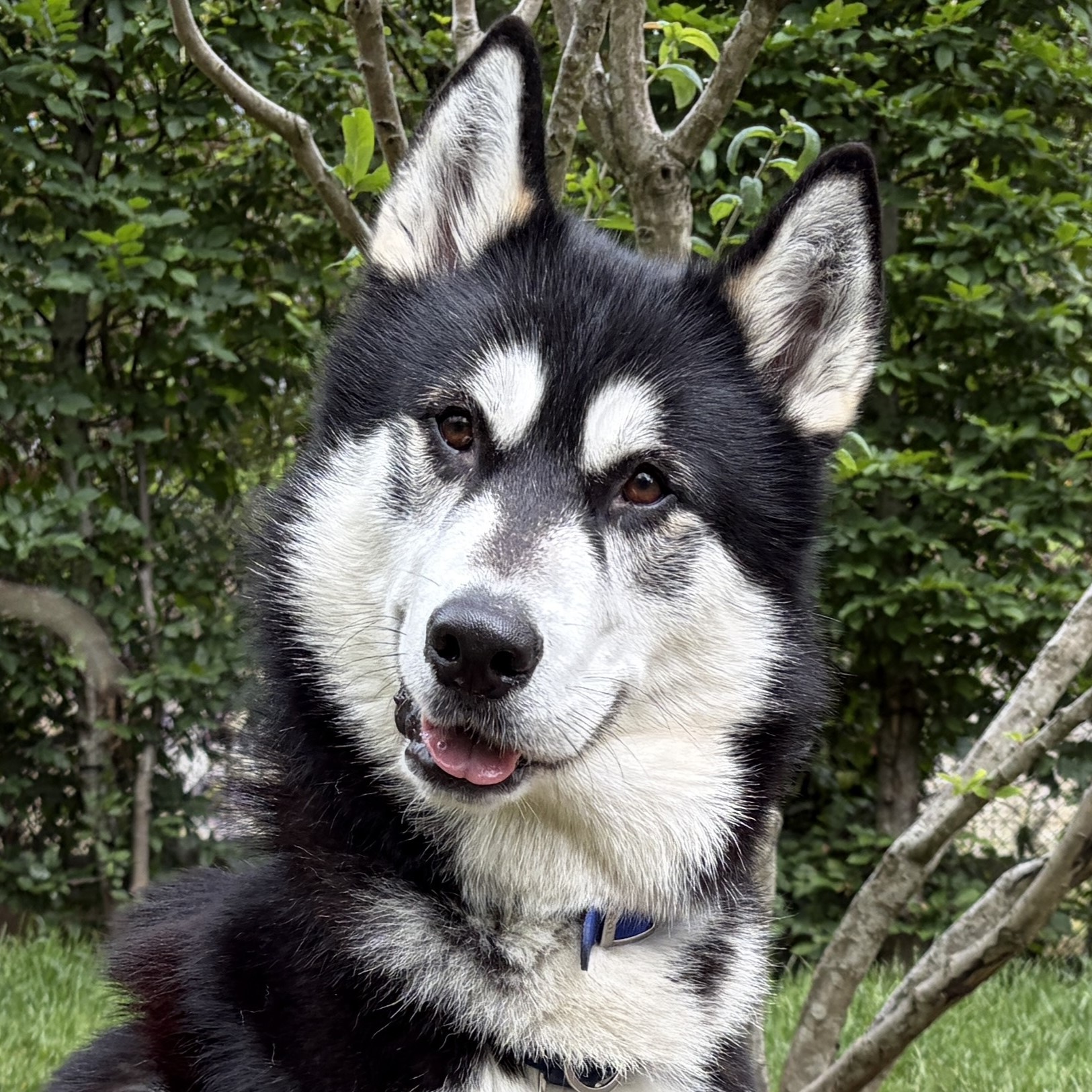
All our big foster dogs have been completely individual with their own personalities. We couldn’t pick a favourite. We love them all.