Scottish Fold cats are known for their distinctive folded ears, but this unique look comes with serious welfare concerns. Learn what causes the fold, why it matters and what you can do about it.
What are folded ear cats?
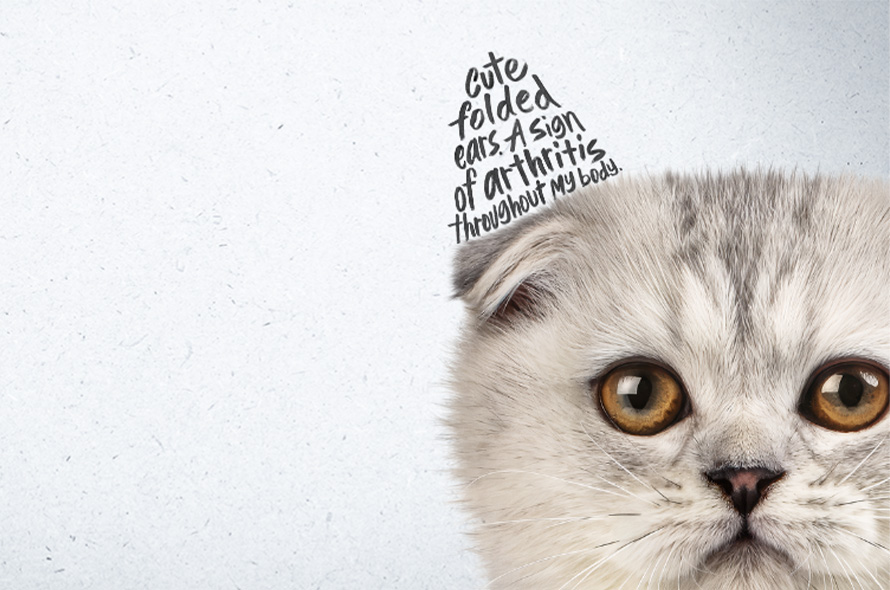
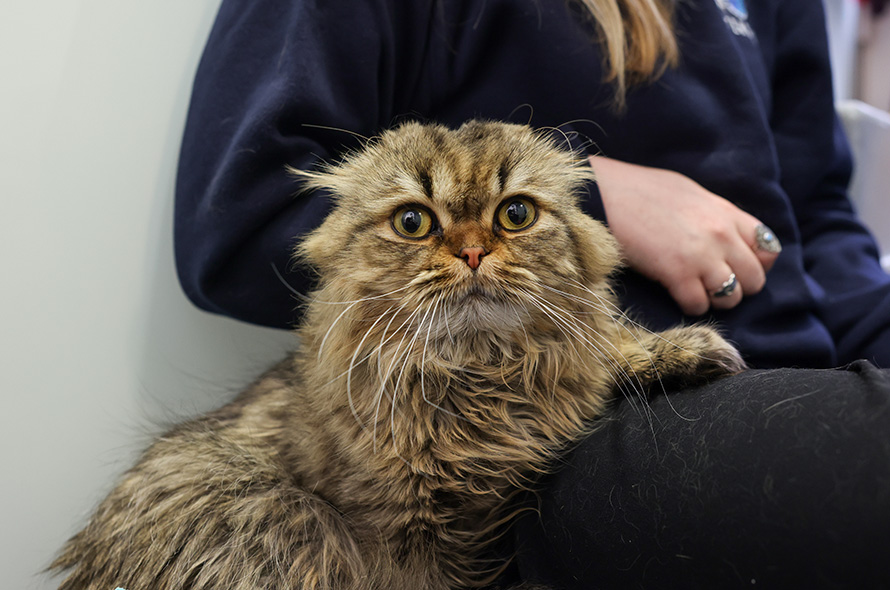
Scottish Folds are cats born with a genetic mutation that causes the ear cartilage to be weak and fold forward.
While the ears are the most recognisable feature, the fold is only the surface of a much bigger issue. Cartilage is the firm, flexible tissue that supports ears and joints. The genetic mutation that creates the ear fold also leads to weak, abnormal cartilage throughout the body. It's a painful lifelong condition called osteochondrodysplasia.
This means the trait people find cute is also a sign of a serious underlying skeletal disorder.
Why is this an issue?
The fold is a visible warning sign. It shows the cat carries a gene that weakens cartilage in every joint, not just the ears. This can severely impact their quality of life.
Scottish Folds are at high risk of:
- Early‑onset arthritis that worsens as they age
- Joint stiffness and lameness
- Thickened or misshapen limbs
- Chronic pain requiring lifelong daily management
- Difficulty jumping, climbing or moving comfortably
- Reduced ability to play and be active.
There is no cure for this condition which can appear as early as kittenhood. For some cats, the condition progresses and becomes so painful that their quality of life is severely affected. In some cases, the kindest decision is to put them to sleep to prevent ongoing pain.
Scottish Folds are often described as calm and gentle, making them appealing to parents with young children. But this quieter behaviour may be linked to the pain and stiffness caused by their joint problems limiting how active they can be.
Why does this happen?
Scottish Folds don’t develop folded ears by chance. The look comes from purposely breeding cats with a gene that changes how their cartilage develops. This is why a Scottish Fold with folded ears cannot be bred without the risk of lifelong pain being passed to the kittens.
These welfare risks are widely recognised. Cat registration bodies in the UK and France Governing Council of the Cat Fancy and Fédération Internationale Féline refuse to register Scottish Folds on welfare grounds, and the breed is banned in the Netherlands.
As long as there is demand for the folded‑ear look, breeders will continue producing cats with this mutation to meet commercial demand. Understanding the welfare impact – and choosing not to support breeding of this characteristic – is key to breaking that cycle.
What breeds does it affect?
Most Scottish Fold cats have one copy of the gene that causes osteochondrodysplasia. This includes Scottish Fold Longhairs and any crossbreed.
A single copy of this gene can lead to abnormal cartilage and painful joint problems. Cats with two copies are usually affected more severely.
There’s no ‘safe’ version of this gene, and any cat that carries it is at risk of lifelong issues.
Scottish Straight cats do not have folded ears but may still carry the gene if bred from Fold parents. Other breeds with unusual ear shapes, like the American Curl and the Highlander, haven’t shown the same health problems but more research is needed.
What to know before getting a Scottish Fold cat
Choosing a Scottish Fold is not just about looks. It’s a decision that directly affects animal welfare. This is a supply‑and‑demand issue: as long as Scottish Folds remain popular, breeders will continue producing kittens with a gene known to cause pain.
Scottish Folds have a reputation for being relaxed and easy‑going, especially around children. However, these traits can sometimes be the result of pain or reduced mobility, which may stop them from moving as freely as other cats.
If you or someone you know is considering getting a Scottish Fold, take time to understand the health and welfare implications. These cats often need ongoing veterinary care, pain management and home adjustments to try to make them comfortable. Many owners find it upsetting to see their cat struggle with the condition, and some cats may not live as long because of the impact it has on their quality of life.
We urge anyone looking for a cat with folded ears to consider adoption first. Rescue centres can tell you about any existing medical needs, helping you make an informed choice. If you decide to buy a kitten, choose a breeder who puts the cat’s health first and doesn’t breed for extreme looks.
If you speak to a breeder or rescue centre about a Scottish Fold, ask:
- Has the cat been assessed for signs of osteochondrodysplasia?
- Does the cat show stiffness, reluctance to jump or lameness?
- Are the parents free from mobility issues?
- What long‑term care might this cat need?
- How will the breeder support you if health problems develop?
Watch out for kittens with tightly folded ears, stiff tails or difficulty moving, as these are early signs of cartilage disease.
Support for owners of Scottish Fold cats
Scottish Folds are much‑loved pets, but it can be upsetting when they start to show signs of pain and discomfort. It’s important to know this isn’t caused by how they’re cared for. The problems come from breeding cats with a gene that affects their cartilage and bone.
How to help your cat stay comfortable
- Arrange regular veterinary checks to monitor joint and cartilage health
- Use pain‑relief medication when advised and prescribed by your vet
- Monitor your cat's pain and discomfort levels over time using objective screening tools
- Keep your cat at a healthy weight to reduce pressure on their joints
- Provide ramps, steps or low entry points to limit the need for jumping
- Offer soft, supportive bedding to ease pressure on painful areas.
What to look out for
Scottish Folds often hide discomfort, so small changes can be important. Speak to your vet if you notice:
- Hesitation or refusal to jump
- A stiff or shortened gait
- Difficulty climbing stairs
- A tail that feels rigid or doesn’t move freely
- Reduced playfulness or self-grooming
- Sensitivity when touched around the legs, back or tail.
Recognising the signs early – and working closely with your vet – can make a meaningful difference to their comfort and welfare.
What are we doing about it?
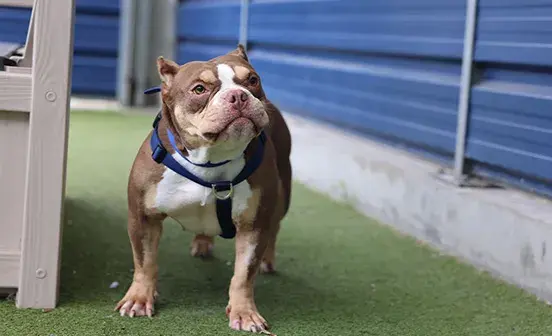
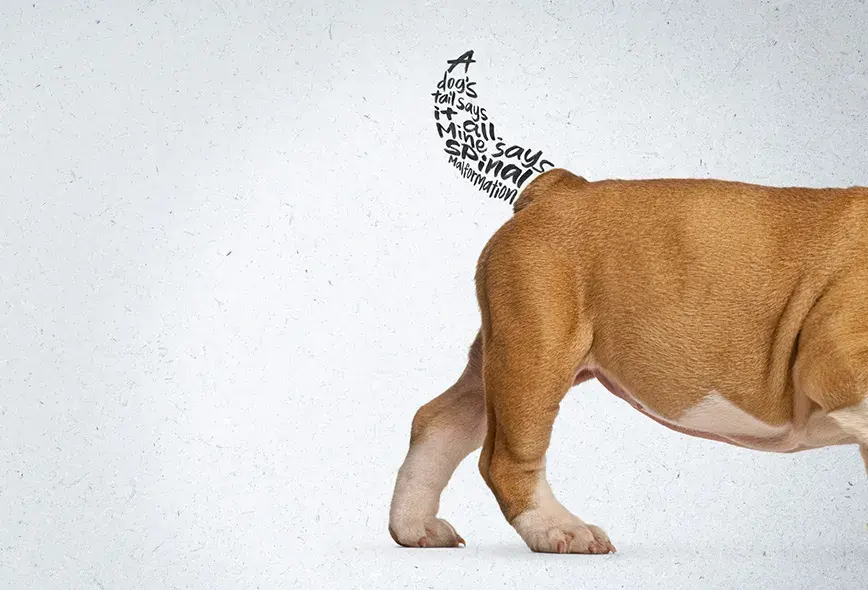
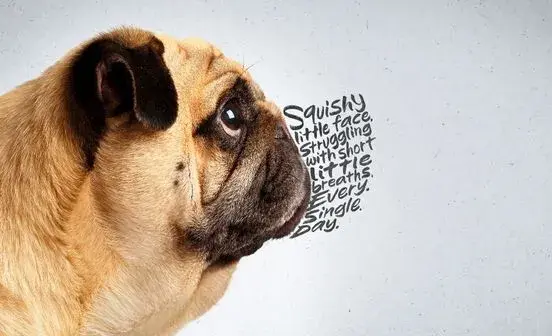
At Battersea, we’re raising awareness of how the growing popularity of extreme physical features affects dogs and cats. More and more animals are being bred for looks that seem cute or fashionable, but these features can cause serious health and welfare problems. Many people don’t realise that features like flat faces, folded ears or screw tails are the result of deliberate breeding, not nature.
We see the impact of these traits across many animals, and Scottish Folds are no exception. Our teams care for cats who arrive with mobility problems or long‑term pain, and we examine and assess every Scottish Fold that comes to us.
Alongside this hands‑on work, we campaign to help the public make informed choices. By explaining the risks linked to folded ears and other extreme features, we aim to reduce demand for these traits and encourage people to prioritise health over appearance. Our goal is simple: healthier pets and happier lives for the people who love them.
Learn more about our Cost of Cute campaign