Dogs with screw‑tails can be full of character, but their extreme tail shape can come with serious health and welfare challenges. Learn what causes these issues, how they affect everyday life and what you can do about it.
What are screw tails?
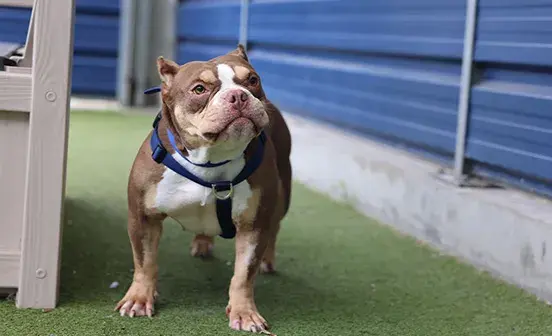
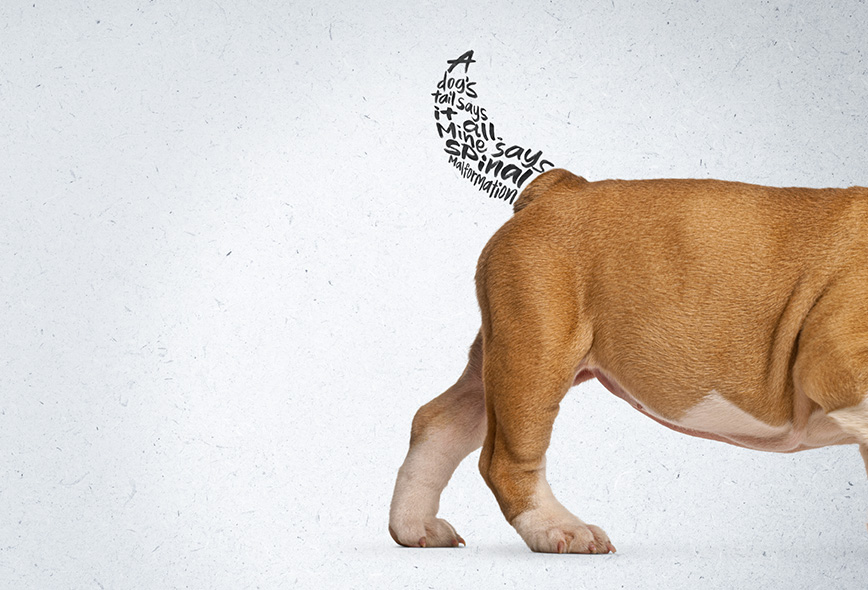
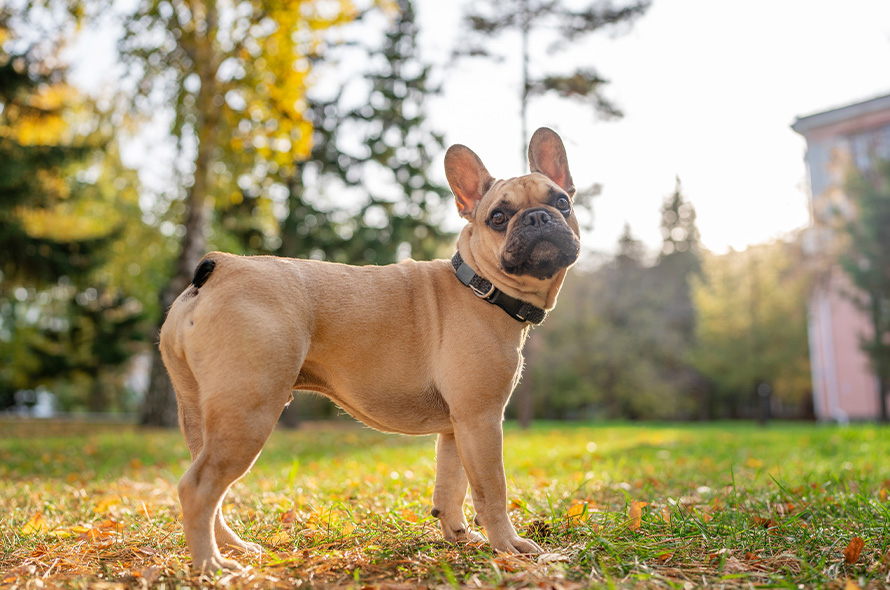
Screw tails are very short, tightly curled tails caused by malformed tail bones. Instead of forming a straight or gently curved tail, the vertebrae twist or fuse together, creating a corkscrew shape. Some screw tails curl up and over the back, as seen in Pugs. Others are very short and twisted into the body, or hidden by skin folds, as seen in French Bulldogs and English Bulldogs.
While the curled tail may seem cute or distinctive, it can create deep skin folds, trap moisture and put pressure on the area around the back passage. These changes can lead to pain, infection and long‑term discomfort.
Why is this an issue?
Many dogs with screw tails struggle with problems that affect their comfort, mobility and quality of life. The tight curl and deep folds can cause:
- Painful, long‑lasting skin infections in the deep folds or pockets around the tail, where the skin is warm and moist
- Ongoing irritation from these skin infections and from rubbing or trapped debris
- Difficulty with toileting and hygiene, if the tail blocks or narrows the area around the anus
- Malformed vertebrae deeper in the spine, which can lead to difficulty flexing their spine, as well as pain, weakness in the back legs or, in severe cases, paralysis
- Difficulty using their tails to communicate with people and other dogs.
These problems can be uncomfortable, long‑lasting and distressing for both pets and owners. Some dogs need repeated vet visits, ongoing medication or even surgery to remove the tail if it becomes too painful or infected.
For owners, this can mean managing daily cleaning routines and monitoring flare‑ups or skin irritation or infection. It can also be upsetting to see a pet struggle with something that could have been avoided.
Why does this happen?
These health issues are the result of selective breeding for extreme tail shapes. Over time, demand for very short or, curled tails has encouraged some breeders to prioritise appearance over welfare.
When breeders choose tighter, twisted or more curved tails, they are choosing the problems that come with them. This is why so many dogs with screw‑tails have deep tail folds or pockets, and embedded tails.
These features have become so common that many people now see them as normal. When a tail is pushed to an extreme shape, the surrounding skin and bone cannot function the way nature intended. For many dogs, the result is a lifetime of avoidable discomfort.
What breeds does it affect?
Screw tails appear in several dog breeds, including:
- English Bulldogs
- French Bulldogs
- Boston Terriers
- Pugs
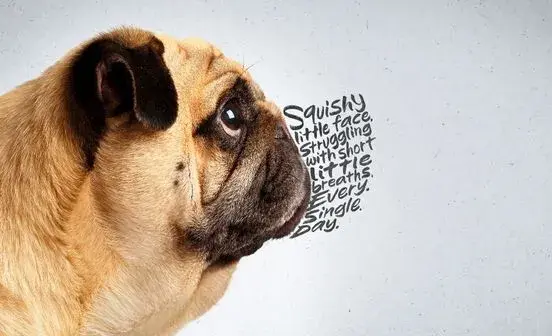
Not every dog in these breeds will have severe problems, but the risk is significantly higher than in breeds with natural, straight tails. These breeds are also more likely to have other extreme features, such as flat faces or deep skin folds elsewhere on the body, each bringing its own health issues.
What to know before choosing a dog with a screw‑tail
Choosing a dog with a screw‑tail is a big decision. This is, at its heart, a supply‑and‑demand issue. When dogs with screw tails remain popular, the cycle of poor health and preventable suffering continues. By making informed choices, you can help shift that trend.
If you or someone you know is thinking about getting a dog with a screw‑tail, take time to understand the potential health challenges. These pets often need extra care, and sometimes medical intervention, to stay comfortable.
We always encourage people to consider rescue first. Many dogs with screw‑tails need new homes because their wider health issues and veterinary costs can be challenging for some owners.
Rescue pets from Battersea come with a full medical assessment, and our teams can help you understand what support they may need. If you’re set on buying a puppy, choose a responsible breeder who puts welfare first. Look for breeders who health test their dogs, avoid extreme features and are open about the wellbeing of their animals.
When speaking to a breeder or rescue centre, ask:
- Has the dog been assessed for tail‑fold infections?
- Is the tail free‑moving and not tightly curled into the skin?
- Is there a history of tail surgery or chronic infections in the family line?
- Can the dog toilet comfortably and clean itself without pain or difficulty?
- What ongoing care might this dog need to stay healthy?
Using tools like the Innate Health Assessment and the Royal Kennel Club’s recommended health tests for each breed can help you understand what a healthy tail should look like.
Support for owners of pets with screw‑tails
Living with a dog that has a screw‑tail can be a joy, but it can also be emotionally challenging. Many owners find it distressing to see their dog struggle. These difficulties are not a reflection of how well they’re cared for. Even with the best daily and veterinary care, these issues can still occur because of the extreme features these dogs have been bred to have.
For many owners, the emotional strain is matched by the financial one. Extra vet visits, surgeries and higher‑priced insurance can quickly add up.
How to help your dog stay safe and comfortable
- Keep the tail folds clean and dry – your vet can advise on best methods
- Check the area daily for redness, smell or discharge
- Watch for signs of skin irritation, such as licking or chewing at the area, dragging their bottom, or sitting and rocking
- Watch for signs of spinal problems, including wobbliness or weakness in the back legs, or difficulty moving or standing up
- Keep your dog at a healthy weight to reduce the screw tail’s impact and associated skin folds
- Schedule regular veterinary checks
- Ask your vet about surgical options if infections or pain are frequent
What to look out for
Dogs that have a screw‑tail often show early signs that the tail is causing discomfort. Speak to your vet if you notice:
- Scooting or rubbing the tail
- Licking or chewing the area
- A strong smell from the tail folds
- Redness, discharge or swelling
- Difficulty toileting
- Signs of back pain or stiffness
With the right support, these pets can live as comfortably as possible. But they do need careful, daily management. Recognising the signs early and acting quickly can make a big difference to your pet’s wellbeing.
What are we doing about it?
At Battersea, we see the impact of extreme breeding every day. Many dogs with a screw‑tail arrive with painful skin and tail-fold infections. Our Clinic team regularly manages these issues and educate new owners on the long‑term care requirements these dogs often need.
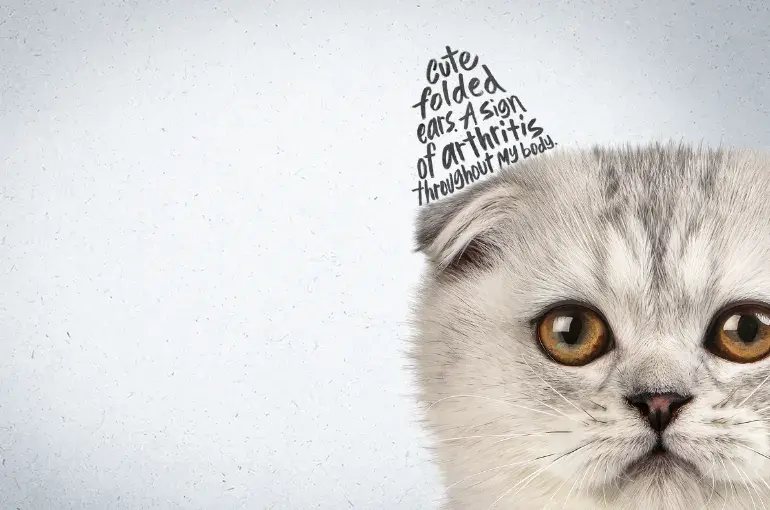
We also see the wider trend behind these cases. Across the UK, more dogs are being bred for looks that seem cute or fashionable. These features can cause real suffering. Many people don’t realise that features like screw tails, flat faces or folded ears are the result of deliberate breeding choices.
That’s why we’re speaking out about harmful breeding trends and the hidden cost of cute. We're raising awareness, sharing expert advice and encouraging people to make informed decisions. By helping the public understand the risks, we aim to reduce demand and champion healthier, happier pets.
Learn about our Cost of Cute campaign